What Are the Benefits of a Smart Toilet? An Honest Guide for Melbourne Homeowners
Ask someone who has used a smart toilet for a few months whether they’d go back, and most will say no. Ask someone who hasn’t, and they’ll often wonder if it’s just an expensive gimmick.
The truth is somewhere in the middle. A smart toilet won’t suit every home or budget, but for many households it delivers real, everyday improvements in hygiene, comfort and convenience. This guide explains the genuine benefits, the trade-offs, and how to decide whether one belongs in your bathroom.
What Are the Main Benefits of Installing a Smart Toilet?
Featured-snippet summary
A smart toilet (also called an intelligent or Japanese-style toilet) combines a standard toilet with electronic features. The most commonly cited benefits are:
- Improved hygiene with a water wash rather than paper alone
- Less toilet paper used and flushed
- Heated seat for comfort in cold weather
- Warm-air drying that reduces the need for wiping
- Hands-free operation such as auto lid and flush
- Accessibility for people with limited mobility
- A premium, modern look for your bathroom
Let’s look at each one in more detail.
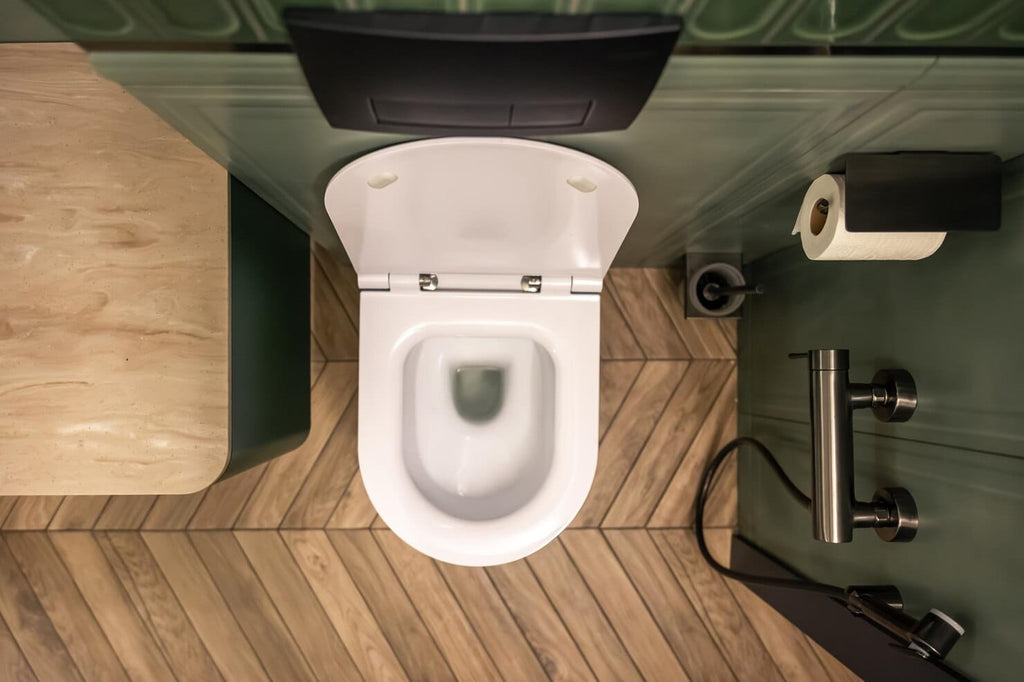
What exactly is a smart toilet?
It’s a toilet with built-in or attached electronics. Some are a single integrated unit. Others are a regular pan fitted with an electronic bidet seat. For background on how bidets work and where they came from, see Wikipedia’s overview of the bidet.
Is a Smart Toilet Really More Hygienic?
For most people, this is the headline benefit.
How does the water wash work?
After use, a small nozzle extends and delivers a stream of warm water. You can usually adjust pressure, temperature and nozzle position. Many people find water cleaner and gentler than paper alone, because paper only wipes while water rinses.
Is it hygienic for the whole household?
Good models include features that support hygiene:
- Self-cleaning nozzles that rinse before and after use
- Rimless pan designs with fewer hard-to-reach areas to clean
- Hands-free lids and flush so you touch fewer surfaces
- Soft-close, quick-release seats that make cleaning easier
A note on health
Some people find water cleansing more comfortable if they have sensitive skin or conditions such as haemorrhoids. This is general information, not medical advice. If you have a health concern, speak to your GP. The Victorian Government’s Better Health Channel is a reliable place to read up on digestive and bowel health.
Can a Smart Toilet Save You Money and Reduce Waste?
Potentially, yes, though the savings are modest and depend on how you use it.
Less toilet paper, less waste
Using a bidet wash means you typically use far less toilet paper. Over a year, that can mean fewer purchases and fewer rolls to manufacture, transport and dispose of. Wikipedia’s toilet paper article outlines the environmental footprint of paper production if you want the background.
Fewer blockages
With less paper going down the pipes, some households find blockages less likely. This isn’t guaranteed, since modern smart toilets still need correct installation and sensible use.
What about water and power use?
This is where honesty matters. A bidet wash uses a small amount of water, and the heated seat and dryer use electricity. Efficient models reduce this with features such as:
- Instant (tankless) heating, which only heats water when needed
- Eco or sleep modes for the seat heater
- WELS-rated, dual-flush pans
You can compare water efficiency using the Australian Government’s WELS scheme, which rates the water performance of toilets sold in Australia.
The realistic bottom line
Don’t buy a smart toilet expecting it to pay for itself quickly. Think of the savings as a small bonus, not the main reason to buy.
Are Smart Toilets Good for Comfort, Ageing and Accessibility?
This is one of the most underrated benefits.
Comfort you notice every day
- A heated seat takes the sting out of a Melbourne winter morning.
- A warm-air dryer means less wiping.
- A night light helps with late-night visits without turning on a harsh overhead light.
Support for limited mobility
Hands-free features and simple controls can make a real difference for older family members, people recovering from injury and people with some disabilities. Auto open/close, auto flush and a wash function can reduce the need to twist, reach or strain.
Think about the control layout
A remote with large, clear buttons is often easier than a small side panel. When you visit a showroom, test the controls as the least tech-confident person in your household would. If you’re planning for long-term accessibility, also consider seat height and nearby grab-rail positions.
Ageing in place
If you plan to stay in your home for decades, a smart toilet can be part of a bathroom designed to remain comfortable as your needs change.
Which Smart Toilet Features Deliver the Most Value?
Not every feature is worth paying for. Here’s how we’d prioritise them.
|
Feature |
Value for most households |
Notes |
|---|---|---|
|
Warm-water wash with adjustable pressure |
High |
The core benefit |
|
Heated seat |
High |
Especially in cooler months |
|
Self-cleaning nozzle |
High |
Supports hygiene |
|
Warm-air dryer |
Medium |
Nice to have, slower than paper |
|
Auto lid / flush |
Medium |
Great for hygiene and accessibility |
|
Night light |
Medium |
Small but useful |
|
Deodoriser / air purifier |
Lower |
Depends on preference |
|
App connectivity |
Lower |
Often a novelty |
Our practical advice
Start with the first three and add extras only if they fit your budget. A well-built unit with the basics will serve you better than a feature-heavy unit with weak build quality.
What Are the Downsides of a Smart Toilet?
A trustworthy guide has to cover these.
A power point is required
Most models need a power supply nearby. If you don’t have one, you’ll need a licensed electrician to add it, which adds cost.
Bulkier design
Integrated units can be larger than a standard suite, so check the space before you commit.
Maintenance and repairs
Electronics can eventually fail. Look for a solid manufacturer’s warranty and ask who services the product in Australia. See our warranty information.
A learning curve
Some people find the first few uses a little odd. Most adapt quickly.
Who might not need one?
If you’re on a tight budget, renting, or in a bathroom with no practical way to add power, a simple non-electric bidet attachment or a standard toilet may be a better fit.
Smart Toilet or Smart Bidet Seat: Which Is Better?
Quick comparison
|
Integrated smart toilet |
Electronic bidet seat |
|
|---|---|---|
|
Look |
Seamless, premium |
Seat added to an existing toilet |
|
Cost |
Higher |
Lower |
|
Best for |
Renovations and new builds |
Upgrading a bathroom you’re keeping |
|
Installation |
More involved |
Often simpler |
Our recommendation
If you’re renovating, an integrated unit gives the cleanest result. If your current toilet is in good condition, a bidet seat gets you most of the benefits for less. You can browse both in our toilets and bidets collection.
Wondering where to try one first? Read our guide to smart toilet showrooms in Melbourne.
Is a Smart Toilet Worth the Cost?
A simple way to decide
Ask yourself:
- Will I use these features daily? If yes, the cost per use is small over many years.
- Does anyone in my household have comfort or mobility needs? If yes, the value rises.
- Am I renovating anyway? If yes, the extra cost of planning for power and plumbing is lower now than later.
- Is my budget comfortable? If it’s a stretch, a bidet seat is a smart compromise.
Does it add resale appeal?
It can make a bathroom feel more premium, but we wouldn’t promise a specific return. Treat it as an upgrade for your own enjoyment first.
What Does Installing a Smart Toilet Involve in Victoria?
Plumbing
In Victoria, plumbing work must be done by a registered plumber. The Victorian Building Authority explains licensing and what work needs a licensed tradesperson.
Electrical
A new or relocated power point must be installed by a licensed electrician. Energy Safe Victoria is the regulator for electrical safety.
Pre-install checklist
- Is there a power point close enough?
- Is your outlet S-trap or P-trap?
- Is there enough clearance for the lid and seat?
- Does the product carry WaterMark certification and a WELS rating?
Need help finding a reliable tradesperson? See our installation service.
Frequently Asked Questions
What is the main benefit of a smart toilet?
The main benefit is improved hygiene and comfort through a warm-water wash, heated seat and warm-air dryer, often with less toilet paper used.
Are smart toilets worth it?
For many households, yes, especially if you value hygiene, comfort or accessibility and are renovating anyway. If budget is tight, a bidet seat is a good alternative.
Do smart toilets use a lot of electricity?
They use some, mainly for the seat heater and dryer. Models with instant heating and eco modes keep this low.
Do smart toilets save water?
A bidet wash uses a small amount of water, but you may use less toilet paper and flush less paper waste. Check each model’s WELS rating.
Are smart toilets good for elderly people?
They can be. Hands-free features and a wash function can reduce physical effort. Choose clear, simple controls.
Is a smart toilet the same as a bidet?
Not quite. A bidet is a hygiene fixture or attachment. A smart toilet combines a toilet with bidet and other electronic features.
Can I install a smart toilet myself?
Plumbing must be done by a registered plumber, and any new power point by a licensed electrician.
How long do smart toilets last?
Lifespan varies by brand and use. Ask about warranty length and spare-part availability before buying.
Where can I see smart toilets in Melbourne?
Visit a showroom such as Kalessi in Springvale. Call ahead to confirm which models are on display.
Conclusion: Small Daily Upgrades Add Up
A smart toilet won’t transform your life overnight, but the benefits compound: a cleaner feeling, a warmer seat, less paper, and a bathroom that’s easier to use at every stage of life. The key is matching the product to your home, your budget and your needs.
Weigh the benefits against the trade-offs, check power and plumbing early, and see the product in person where you can.
Ready to Explore Smart Toilets and Bidet Seats?
Visit Kalessi Bathroom & Tiles at 904 Princes Highway, Springvale VIC 3171, or call 0434 839 719 / (03) 9574 1988 and let our team help you choose the right option for your bathroom.
Browse toilets & bidets | Talk to our team | Explore bathroom packages
Related post
20
Oct
20
Oct
20
Oct
19
Oct