Bathroom Trends 2026 Melbourne: 12 Design Ideas Worth Renovating For
Introduction
If you're planning a bathroom renovation in Melbourne this year, you've probably noticed the industry has moved on from the stark, all-white, minimalist look that dominated the last decade. In 2026, Melbourne bathrooms are becoming warmer, more tactile, and far more personal — spaces designed to be lived in and enjoyed, not just cleaned quickly before work.
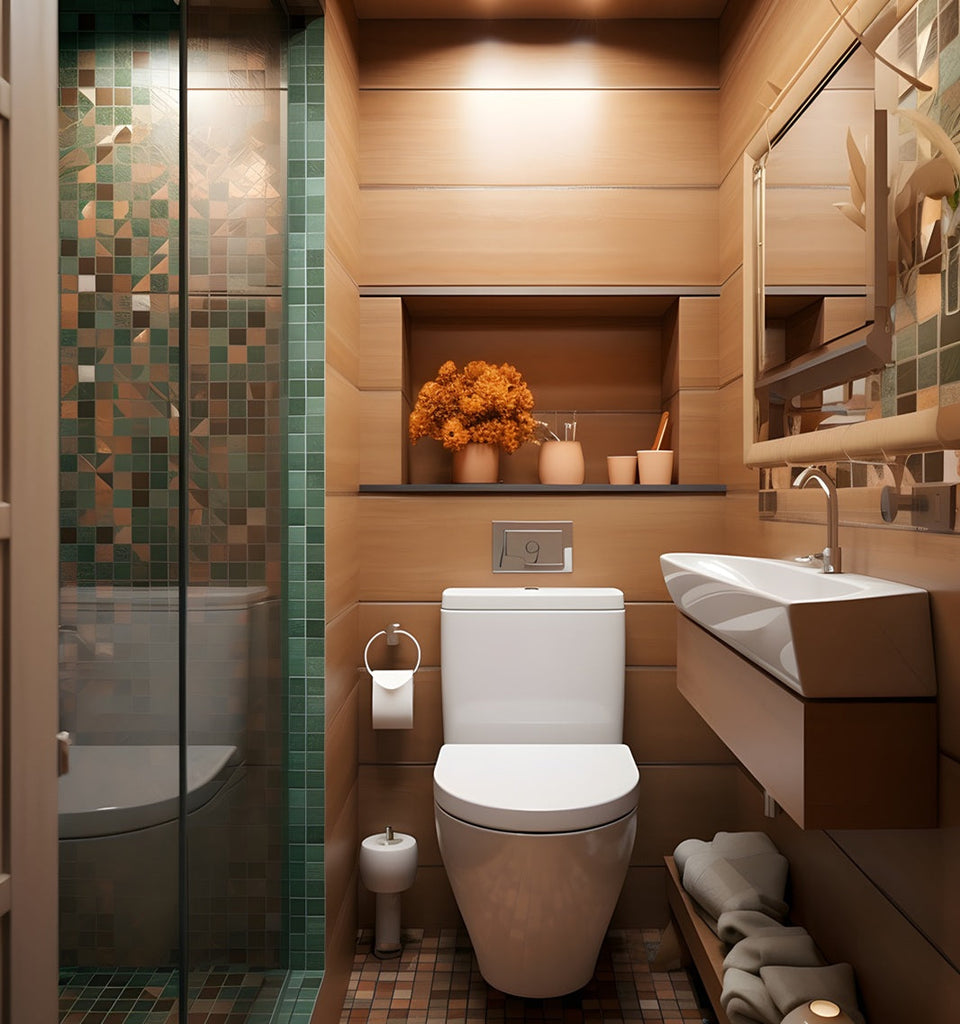
At Kalessi Bathroom and Tiles, we work with homeowners, builders, and interior designers across Melbourne every week, which gives us a front-row seat to what's actually being installed — not just what looks good on a mood board. This guide breaks down the 12 bathroom design trends we're seeing take hold across Melbourne homes in 2026, why they're gaining momentum, and how to apply them to your own renovation, whether you're working with a compact ensuite or a full family bathroom overhaul.
In this guide:
- Why "warm minimalism" is replacing stark white bathrooms
- The tile, colour and material choices dominating 2026
- Smart technology and wellness features worth the investment
- Practical advice on budgeting and choosing tradespeople
- Answers to the most common questions Melbourne homeowners ask us
1. Warm Minimalism Replaces Stark White Bathrooms
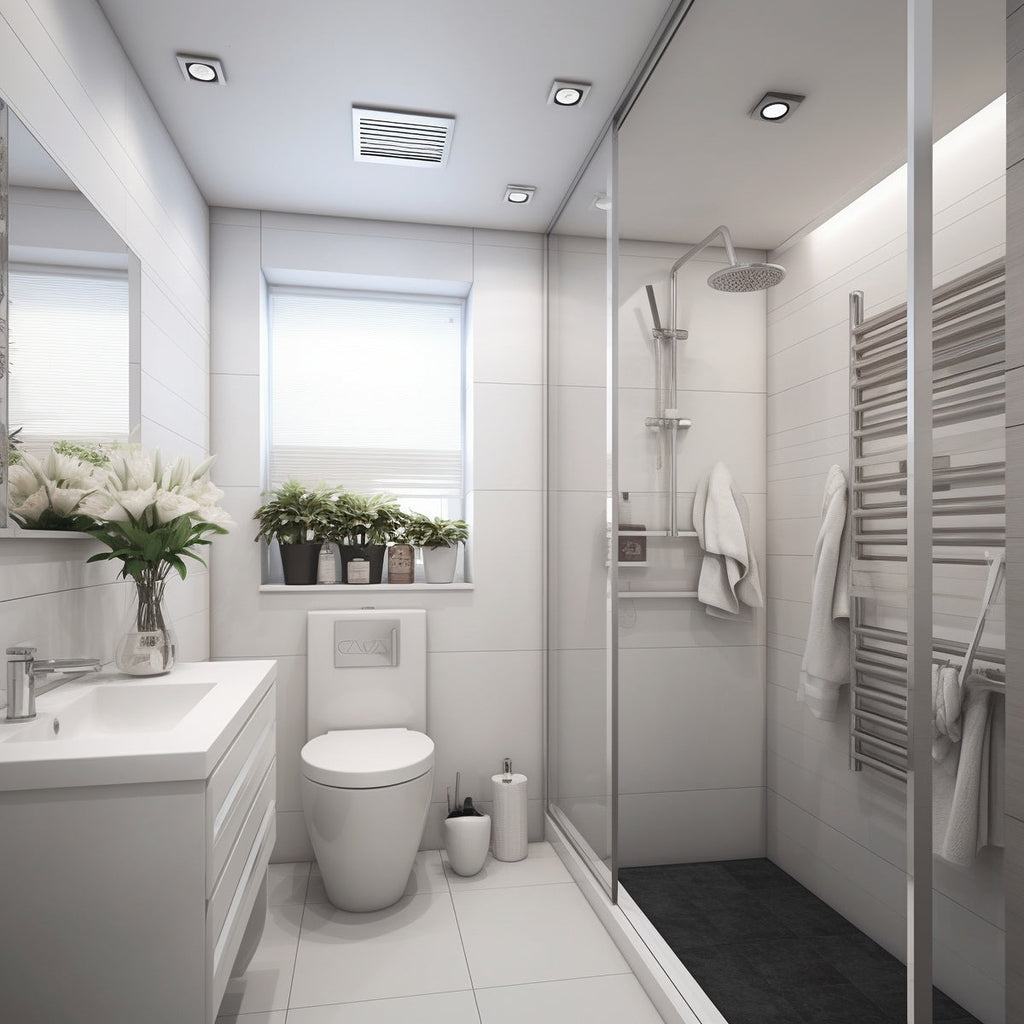
The crisp, high-contrast, all-white bathroom that defined the 2015–2023 renovation boom is on its way out. Melbourne homeowners are asking for the same clean lines and clutter-free layouts, but with warmth built in through material choice rather than paint colour.
In practice, this means honed stone, lime-washed plaster, and zellige-style tiles instead of glossy white subway tile and stark porcelain. The goal is a bathroom that feels calm and considered rather than clinical.
How to apply it:
- Swap gloss white subway tile for a textured, handmade-look tile in a soft ivory or clay tone
- Choose warm-toned grout instead of stark white or black
- Introduce one tactile material — honed stone, microcement, or timber — as a feature surface
2. Nature-Inspired, Earthy Colour Palettes
Cool greys and stark whites have given way to warmer, nature-inspired palettes. Think creamy ivory, soft sand, terracotta, clay, olive, and muted khaki tones, often paired with darker accents like navy or forest green for contrast. These palettes suit Melbourne's period homes and new-builds alike, and they photograph beautifully without feeling like a passing fad.
Colour palette starting points:
- Warm neutrals: sand, taupe, warm greige
- Earthy accents: terracotta, rust, olive
- Deeper accents for contrast: navy, forest green, aged bronze
3. Statement Tile as the Room's Focal Point
Rather than tiling a whole bathroom in one safe, neutral tile, more Melbourne homeowners are choosing one bold tile moment — a patterned feature wall, a herringbone floor, or a hand-painted, artisanal tile in the shower recess — and keeping everything else deliberately simple around it.
Popular formats for 2026 include:
- Hexagon and Moroccan zellige tiles for shower niches and splashbacks
- Vertical stack and herringbone layouts for a modern, architectural feel
- Vintage-inspired, hand-painted florals and Delft-style motifs for powder rooms
How to apply it: Pick one wall or zone for the statement tile (usually the shower recess or vanity splashback) and keep the floor and remaining walls neutral so the feature doesn't compete with itself.
4. Large-Format Tiles and Near-Invisible Grout Lines
Where a bold tile isn't the goal, the opposite trend is just as strong: large-format porcelain slabs with minimal visible grout, used to create a continuous, uninterrupted surface across floors, walls, and even bench tops. Industry trade surveys are showing strong professional demand for smaller grout lines and large-format flooring over the next few years, and we're seeing that reflected directly in Melbourne renovation briefs.
Why homeowners like it:
- Easier to clean — fewer grout lines mean less mould and grime build-up
- Creates a sense of a bigger, more open room, ideal for Melbourne's smaller ensuites
- Timeless rather than trend-driven, which supports resale value
5. Wellness-First Bathroom Layouts
The bathroom is being redesigned as a genuine wellness space, not just a wet room. This goes beyond a rainfall showerhead — Melbourne renovations are increasingly built around layout decisions that reduce friction in a daily routine: better circulation space, dedicated zones for bathing versus grooming, and comfortable clearances around vanities and showers.
Wellness features worth considering:
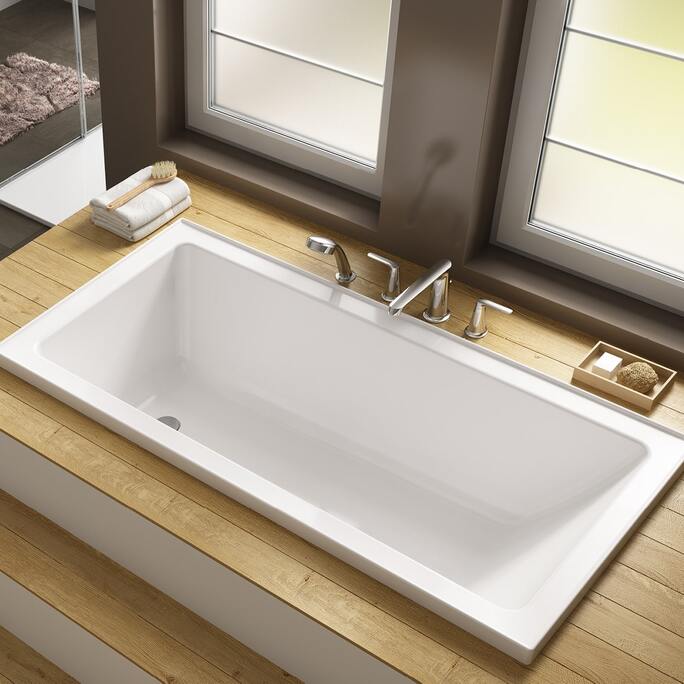
- Freestanding or deep-soaking bathtubs as a genuine feature, not an afterthought
- Steam showers with vapour-sealed enclosures and proper ceiling slope for condensation control
- Heated floors and heated towel rails
- Layered lighting that shifts from bright and functional in the morning to warm and dim at night
6. Smart, Sensory Technology Woven Into the Design
Smart bathroom technology has matured from a novelty into an expected feature in mid-to-upper renovations. In 2026, the focus has shifted from "look what this can do" to invisible, integrated systems: circadian lighting that adjusts colour temperature through the day, app-controlled heated floors and towel rails, and anti-fog LED mirrors with adjustable brightness.
Smart features Melbourne clients are asking for most:
- App-controlled underfloor heating and towel rails
- Motion-sensor taps and lighting
- LED mirrors with dimmable, tunable lighting (2700K–3000K is the current sweet spot for a warm, flattering glow)
- Digital shower controls that store preferred temperature and flow presets
7. Sculptural Sinks and Integrated Basins
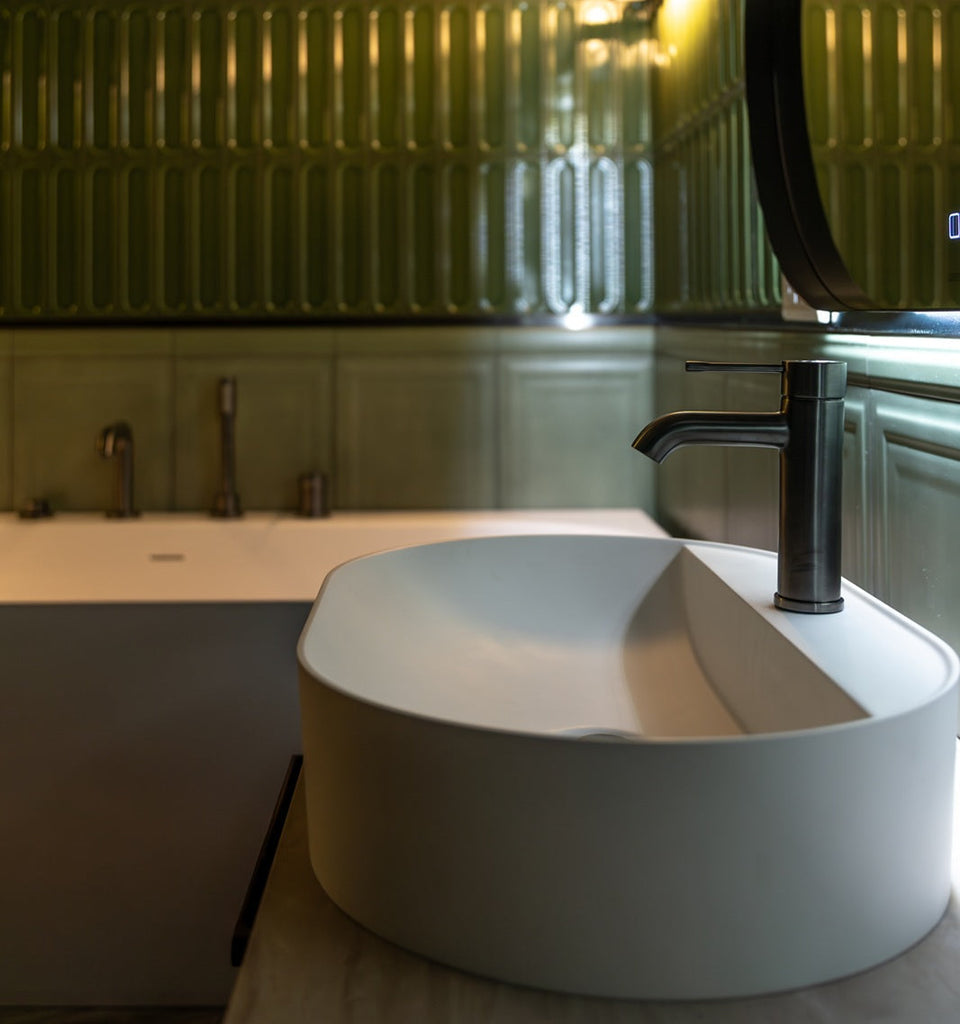
Vanity design has moved toward soft, rounded, sculptural basins — either integrated directly into the countertop for a seamless look, or as a standalone vessel sink that acts as a feature piece. Wall-mounted tapware is increasingly preferred alongside these basins, as it frees up bench space and gives the vanity a cleaner, more architectural line.
Vanity trends to know:
- Integrated stone or mineral-composite basins for a seamless countertop look
- Rounded, organic basin shapes over sharp rectangular ones
- Wall-mounted mixers and tapware
- Wood-faced or dark timber vanities, often paired with stone or marble benchtops
8. Storage Takes Priority Over Open Shelving
Floating vanities with open shelving were popular for years, but Melbourne homeowners are increasingly prioritising practical, concealed storage — soft-close drawers, built-in vanity power outlets, and custom shelving nooks — over a purely minimalist look that doesn't hold a skincare routine's worth of products.
Storage upgrades worth the spend:
- Deep, soft-close drawers instead of open shelves
- Built-in power outlets inside vanity drawers for hairdryers and straighteners
- Tall, narrow linen or storage towers in smaller bathrooms
- Custom joinery designed around your actual daily routine, not just aesthetics
9. Biophilic and Organic Materials
The connection to nature continues to shape Melbourne bathroom design, but it's evolved from "add a plant" to genuine material choices: natural stone with visible veining, reclaimed and dark timber, lime plaster, and terracotta. These materials age with character rather than looking worn out, which matters for a wet, high-traffic room.
Biophilic elements to consider:
- Natural stone or stone-look porcelain with visible movement and veining
- Reclaimed or FSC-certified timber vanities and shelving
- Low-maintenance indoor plants suited to humidity (such as ferns or pothos) near — not inside — the wet zone
- Lime plaster or microcement wall finishes for a soft, tactile texture
10. Sustainability and Water Efficiency as a Baseline, Not a Bonus
Water efficiency has moved from a nice-to-have to an expected standard, particularly given Melbourne's water restrictions history and ongoing focus on sustainable building. WELS-rated tapware, dual-flush toilets, and low-flow showerheads are now standard inclusions in most Kalessi renovation projects, not premium upgrades.
When comparing fittings, check the WELS (Water Efficiency Labelling and Standards) rating — Australia's mandatory water efficiency scheme — to compare real water usage between products before you buy.
Sustainable choices to prioritise:
- WELS-rated showerheads, taps, and toilets (look for 4+ stars)
- Tiles made from recycled porcelain or ceramic content
- Bamboo or FSC-certified timber vanities
- LED lighting throughout, which uses a fraction of the energy of older halogen downlights
11. Colour Used as a Zoning Tool
Rather than one flat colour across the whole room, colour is increasingly used to define zones within the bathroom — a deeper tone in the shower recess, a lighter neutral around the vanity, monochromatic layering (several shades of the same earthy tone) to create depth without pattern. This is particularly useful in Melbourne's smaller, single-fronted terrace bathrooms, where zoning through colour can make a compact layout feel more considered.
Try this approach:
- Use a deeper or richer tone in the wet zone (shower/bath)
- Keep the vanity and drying zone in a lighter, warmer neutral
- Tie both zones together with matching tapware and hardware finishes
12. Powder Rooms as a Design Opportunity
Guest powder rooms and smaller secondary bathrooms are increasingly treated as a space to take a bigger design risk — bold wallpaper, a saturated colour, or a hand-painted tile that might feel like too much in a main bathroom used daily. Because these rooms are used briefly and by guests, homeowners are more willing to commit to a striking, memorable design.
Choosing a Trend That Will Still Look Good in 10 Years
Not every trend suits every home, and Melbourne's mix of Victorian terraces, Edwardian weatherboards, and modern apartments means a trend that works beautifully in one property can look out of place in another. Before committing, ask:
- Does this material or colour suit the existing architecture of the home?
- Will it still feel current in 5–10 years, or is it a fast-moving trend?
- Does it add genuine function (storage, water efficiency, easier cleaning) or purely aesthetics?
- Is it within budget once installation, waterproofing, and compliance costs are included?
This is exactly the kind of guidance our design consultants at Kalessi Bathroom and Tiles provide during an initial consultation — matching current trends to what will genuinely suit your home long-term.
Conclusion: Bring 2026's Bathroom Trends Into Your Melbourne Home
Bathroom design in 2026 is less about chasing the latest look and more about creating a space that feels warm, functional, and genuinely restorative — whether that means a statement tile in a powder room, a wellness-focused layout with a steam shower, or simply swapping to WELS-rated fittings for a more sustainable everyday bathroom.
The trends worth investing in share a common thread: they combine a considered aesthetic with real, everyday function. That's the balance our team at Kalessi Bathroom and Tiles helps Melbourne homeowners strike every day, from material selection through to final installation.
Ready to start planning your renovation? Book a free consultation with Kalessi Bathroom and Tiles and let's design a bathroom that suits your home now — and in ten years' time.
Frequently Asked Questions
What is the biggest bathroom trend in Melbourne for 2026?
Warm minimalism — clean, uncluttered layouts using warm, tactile materials like honed stone and textured tile instead of stark white surfaces — is the trend we're seeing most often in Melbourne renovation briefs this year.
Are all-white bathrooms out of style in 2026?
Stark, high-contrast all-white bathrooms are becoming less popular in favour of warmer neutral palettes, but white can still work well when paired with warmer-toned grout, timber accents, or a textured tile to avoid a clinical look.
What tile size is trending for Melbourne bathrooms right now?
Large-format porcelain tiles with minimal grout lines are popular for a seamless, easy-to-clean look, while smaller patterned or hand-painted tiles are trending as feature pieces in shower recesses and powder rooms.
Is it worth adding smart technology to a bathroom renovation?
For mid-to-upper range renovations, features like app-controlled heated floors, LED mirrors, and digital shower controls add genuine daily convenience and are increasingly expected in newer builds, though they add to the overall budget.
How much does a bathroom renovation cost in Melbourne in 2026?
Costs typically range from around $12,000 for a cosmetic refresh to $38,000+ for a high-end renovation with layout changes, though the exact figure depends on your existing plumbing, chosen materials, and any structural changes required.
Do I need a WELS rating check before choosing tapware or a toilet?
Yes — the WELS scheme is Australia's mandatory water efficiency labelling standard, and checking the star rating helps you compare real water usage between products before purchasing.
Related post
29
Jul
28
Jul
27
Jul
22
Jul