Small Space Basins: The Smart Solution for Compact Bathrooms and Ensuites
Got a tiny bathroom or ensuite that's got you stumped? You're not alone. Heaps of Aussie homes – whether it's a compact apartment in Melbourne, a clever townhouse in Sydney, or a renovation project on the Gold Coast – face the challenge of fitting quality fixtures into tight spaces. This is exactly where small space basins shine.
At Kalessi Bathroom and Tiles, we've helped countless customers transform cramped bathrooms into functional, stylish spaces. The trick isn't to sacrifice quality or design – it's to choose the right basin and plan smart. Let's walk through everything you need to know about small space basins.
What Are Small Space Basins?
Small space basins are bathroom sinks engineered to deliver real functionality without hogging precious counter or wall space. These aren't just downsized versions of standard basins – they're properly designed to handle daily use while fitting into tight footprints.
When we talk about small space basins, we're looking at products that typically range from 40cm to 55cm in width (compared to standard basins that sit around 60-70cm). But width is just one part of the story. The depth, bowl capacity, and tap placement all matter just as much, especially in compact ensuites or powder rooms.
The beauty of today's small space basin options is that you've actually got genuine choice. It's not like ten years ago when compact meant compromise. Modern small basins come in styles that suit every taste – from sleek contemporary designs to classic porcelain looks.
Why Choose a Small Space Basin?
Let's be honest – if you're looking at installing a small space basin, you're probably working with limited real estate. Here's where these basins actually make sense:
Space maximisation is the obvious one, but there's more to it than just fitting in the room. A well-chosen small basin gives you enough counter space around it to actually use the bathroom. You need room for your toothbrush holder, soap, a cup of coffee while you get ready – the practical stuff.
Cost savings come into play too. Smaller basins generally use less ceramic material, which means they're often less expensive than their larger counterparts. You'll also use less water (if you're keen on reducing your bills), and you might need a smaller vanity unit, which saves you again.
Installation flexibility is something people don't always think about. A compact basin can fit into corners, awkward wall spaces, or above narrow counters. If your ensuite has an unusual shape or sloped ceiling, small basins give you options.
Rental properties – if you're a landlord in Australia, small space basins are practical sense. Tenants appreciate functional bathrooms, and these basins keep maintenance straightforward.
Types of Small Space Basins Available
Not all small basins are created equal. Here's what's actually on the market:
- NARI Wall-hung Basin 460 X 150
- Quadro Mini Wall Hung Basin (Left or Right tap hole) 400x200x105mm
- LOPE Gloss or Matte White Solid Surface 495 wide x 255 deep
- BOLD Gloss White Ceramic Basin 430 wide x 260 deep
- Odena Baby Above Counter Basin
- ARLOTTE Wall-Hung Basin 440X250mm
- SNOWFITO CERAMIC BASIN 460MM x 150MM
- AMAROO Circle Mini Basin Dia 310mm in Gloss White And Matte White
- More
How to Measure Your Space (The Right Way)
Before you get excited about a particular small space basin, you've got to measure properly. Dodgy measuring is how people end up with basins that don't fit right or leave no room to actually wash your hands.
Measure the wall width where the basin will go. Account for any fixtures already there – taps, towel rails, shelving. Your basin needs clearance on both sides. Ideally, aim for at least 15cm of space on each side.
Check the depth available. Don't just measure how far out from the wall you can go. Account for the tap – if your tap sticks out 10cm, that's part of your depth footprint. You need enough room to comfortably lean over the basin without hitting the wall.
Note the height of existing plumbing. If you're replacing an old basin, the plumbing connection points matter. Moving pipes costs money. If you're starting fresh, you've got more flexibility.
Consider the bowl depth. A shallow basin might look neat, but it's useless if water splashes everywhere when you wash your face. Most quality small space basins have decent depth – aim for at least 12-15cm in the bowl itself.
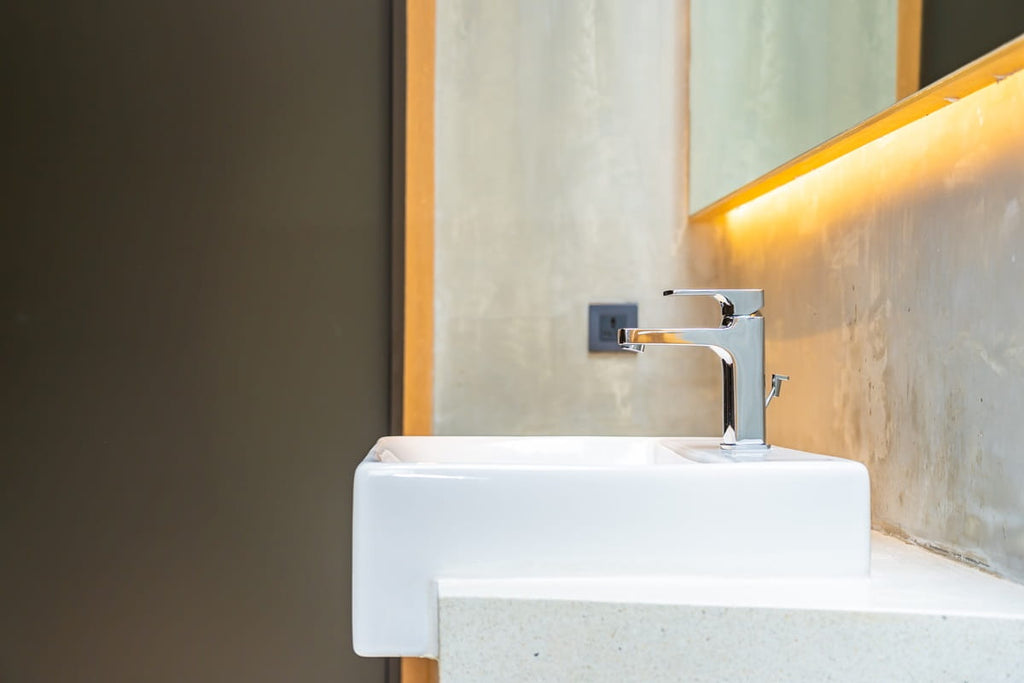
Account for the tap you'll use. Wall-mounted taps free up counter space but need different installation than deck-mounted ones. Single-hole taps are compact; twin-hole setups need more room.
Pro tip: bring a piece of cardboard or paper and sketch out the space to scale. It sounds basic, but it works. Then bring photos of the space to the bathroom showroom – we can help you see if a basin actually fits.
Design Considerations for Compact Bathrooms
A small space basin isn't just functional – it sets the tone for your whole bathroom. Get the design right and your small bathroom actually feels intentional and stylish. Get it wrong and it feels cramped.
Colour matters more in small spaces. White or light-coloured basins tend to feel airy and open up the space visually. That doesn't mean you can't use darker tones – black or charcoal can look sharp – but be aware that they absorb light. In a truly tiny space, pale ceramics usually feel better.
Gloss versus matte finishes affect how the light bounces around the room. Glossy basins reflect light and can feel bright. Matte finishes are on-trend and hide water spots better – that's honestly the bigger reason people choose them. In a small space, either works; it's about your personal preference and the overall bathroom style.
Tap style ties everything together. A chunky vintage tap on a sleek modern basin looks odd. A sleek chrome tap on a traditional pedestal basin also feels disconnected. Small bathrooms actually benefit from design confidence – commit to a look and stick with it. Don't mix five different styles into one tiny room.
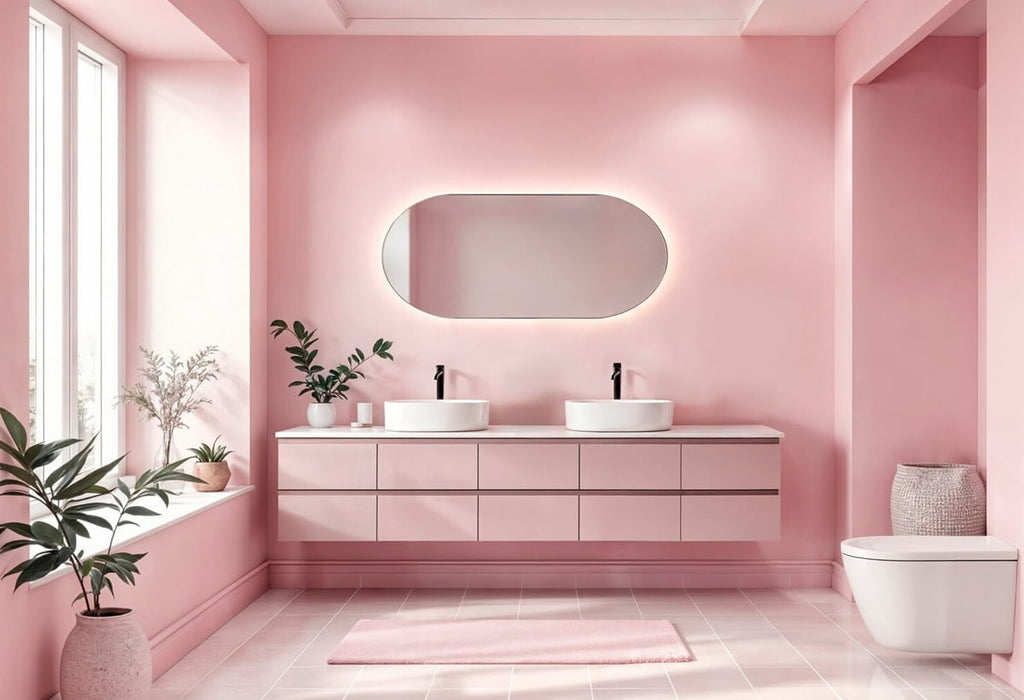
The vanity surround is as important as the basin itself. In a small space, a vanity with drawers underneath the basin saves you from needing a separate cabinet. You get storage without eating into your footprint. We often recommend wall-mounted vanities in compact spaces – again, that visual space underneath makes everything feel bigger.
Installation Tips for Small Space Basins
Installing a small space basin isn't fundamentally different from installing a standard basin, but there are a few specific things to get right in a tight space.
Ventilation matters. Small bathrooms can get steamy quickly. Your extractor fan needs to be up to the job. Run it during and after showers. Moisture in a small space can cause issues with the vanity, the walls, and the basin itself over time.
Plumbing access is crucial. In a compact bathroom, you don't have room to work around the basin once it's installed. Make sure your plumber sorts out the connections properly the first time. That means proper shutoff valves, good connections, and all the infrastructure in place before the basin goes in.
Wall preparation. If you're going wall-hung, the wall needs to be solid. Plasterboard won't cut it on its own – you need timber backing or a specific wall bracket system. Your plumber or bathroom installer will know the drill, but don't skip this step.
Clearance around taps. If you're using a high-arc tap (one that swings up and out), make sure you've got clearance above the basin and on the sides. In a really compact space, a low-arc or waterfall tap might make more sense. You need to be able to actually wash your hands without wrestling with the fixture.
Grout and sealant. Get these right and your basin will stay looking fresh for years. Get it wrong and you're dealing with mould and water damage. Use proper bathroom-grade sealant around all edges, and keep the grout lines clean during and after installation.
Check Out Your Go-To Bathroom Supply Store in Melbourne
Maintenance and Care for Small Space Basins
The good news: small basins don't need different maintenance than standard ones. The bad news: in a small space, they're more exposed, so cleanliness shows up quicker.
Daily cleaning is straightforward – wipe down after use, dry it if water sits there. Use a soft cloth; abrasive scrubbers can dull the finish. Most bathroom cleaning products are fine, but avoid bleach on some colours of porcelain.
Water stains show up fast on small basins because there's nowhere to hide. Keep a squeegee in your bathroom and give the basin a quick wipe after washing your hands or brushing your teeth. Takes five seconds, looks brilliant.
Mould prevention in a small space means dealing with moisture. We mentioned the extractor fan – that's essential. Also, don't leave wet toothbrushes, washcloths, or sponges sitting in the basin. Let them dry properly elsewhere.
Deep cleaning quarterly or when needed: mix a bit of baking soda with water to make a paste, gently rub over the surface, and rinse. This handles most stains and built-up residue. For stubborn marks, a weak vinegar solution works. Rinse thoroughly after.
Check the sealant regularly – where the basin meets the counter or wall. If you see cracks or discolouration, that sealant needs replacing. It's a cheap fix now, much more expensive if water gets behind the vanity.
Space-Saving Ideas Beyond Just the Basin
A small space basin is part of the solution, but there are other smart moves that make compact bathrooms genuinely work.
Mirror placement changes everything. A large mirror above the basin bounces light around and makes the room feel bigger. Pair it with decent lighting (think bright, warm LED lights, not that harsh overhead globe from 1985).
Storage solutions need planning. Floating shelves above the toilet, under-sink baskets, wall-mounted towel rails – use your vertical space. Don't clutter the counter around the basin; it'll feel cramped instantly.
Flooring in small bathrooms should be light and continuous. Large floor tiles (rather than lots of grout lines) make the space feel bigger. The pattern matters too – keep it simple.
Colour blocking – if you use bold colours, use them on one wall, not all four. In a small space, that's enough. The rest stays neutral.
Lighting is your secret weapon. Recessed ceiling lights, lights flanking the mirror, even a small pendant above – these make compact bathrooms feel more intentional and bigger. Proper lighting is worth the investment.
Choosing the Right Small Space Basin for Your Needs
Here's the reality: there's no perfect small space basin that suits everyone. What works brilliantly in a Melbourne apartment might not be ideal in a Brisbane home. So think about your actual situation.
How many people use the bathroom? If it's an ensuite for one person, you don't need huge basin capacity. If it's a main bathroom serving two or more people, go a bit bigger within the small range. Nobody wants to feel crowded at the basin.
What's your style? Are you going minimal and contemporary, or do you prefer classic comfort? Your basin should match your overall bathroom direction, not fight against it.
Who's installing it? DIY or professional? Some basin types (like wall-hung) really need proper installation. Others (pedestal) are more forgiving. Be honest about what you can manage.
What's your budget? Porcelain basins range from budget-friendly to premium. Vessel basins (trendy right now) come at various price points. Set a realistic budget and work within it. A good quality basin in your price range beats stretching for something fancier.
Future-proofing – if you're renting out or planning to sell eventually, stick with classic styles. Trendy basins can date a bathroom quickly.
Common Mistakes to Avoid
We've seen plenty of small space bathroom projects go sideways. Here are the ones that come up again and again:
Measuring once. Measure twice, measure from different angles, involve your plumber. One measurement mistake and you're dealing with a basin that doesn't fit or taps that hit the wall.
Ignoring ventilation. A small space gets humid fast. Skip the extractor fan or install one that's too weak, and you'll have moisture problems within months. This isn't optional.
Choosing pretty over practical. Some designer basins look stunning but have shallow bowls or weird tap placements that make them annoying to use daily. Function matters in a small space.
Forgetting about the vanity. You can pick the perfect compact basin and then pair it with a massive vanity unit that defeats the purpose. The basin and vanity need to work together.
Skipping proper sealant. Using standard caulk instead of bathroom-grade sealant is a false economy. You're looking at mould, water damage, and costly repairs later.
Under-lighting the space. A small bathroom with poor lighting feels cramped and dingy. Invest in decent lighting – it transforms the space.
Real-World Examples: Small Space Basins in Action
We've installed plenty of small space basins across Australia. Here's what actually works.
A compact ensuite in a Sydney apartment went from feeling like a cupboard to functional and bright when the owner ditched a bulky vanity and went wall-hung basin + wall-mounted mirror + recessed lights. The basin itself is 45cm wide, but the visual space makes it feel roomy.
A Brisbane powder room renovation used a corner basin – genuinely unusual choice, but the space was an awkward shape. The corner basin tucked perfectly, and the homeowner got a proper toilet and basin in what was originally a shoe box. Now their guests have a functional powder room instead of an embarrassing closet.
A Melbourne bathroom – shared by two people – chose a compact pedestal basin (50cm) instead of going wall-hung. The homeowner liked the traditional look and didn't want the installation fuss. Paired with a light colour, good mirror, and proper lighting, it works really well. They use it daily and it's never felt too small.
Each of these situations was different, which is the point. Your small space basin choice needs to fit your actual bathroom, your style, and your life.
Getting Help Choosing Your Small Space Basin
This is where having a good bathroom supplier actually matters. We can help you navigate options, understand what fits your space, and sort out the practical side of installation.
Bring your measurements, your photos, and your ideas. If you're thinking about a particular basin but aren't sure if it'll work, we can tell you straight. We've done this long enough to know what works and what doesn't.
If you're in Australia and working on a compact bathroom or ensuite, small space basins are a genuinely smart choice. They're not a compromise – they're the right tool for the job. You just need to pick the right one and install it properly.
Got a question about small space basins or ready to sort out your compact bathroom? Get in touch with Kalessi Bathroom and Tiles. We're here to help.
FAQ: Small Space Basins
What's the smallest basin size I should consider? Anything under 40cm starts to feel cramped for actual daily use. We'd recommend 40-50cm as the realistic small range. You want room to actually wash your hands and face.
Do small space basins use less water?
Slightly, but not dramatically. The real water savings come from installing low-flow taps or aerators. Focus on a basin that's functional first.
Can I fit a small space basin in a powder room?
Absolutely – that's a perfect use case. Powder rooms don't need the same capacity as main bathrooms, so small basins work beautifully.
Are small space basins more expensive?
Usually less expensive, actually, because they use less material. You might pay more for a wall-hung installation, but the basin itself is typically cheaper.
How long do small space basins last?
Quality porcelain basins last 20+ years with proper care. It's not about the size; it's about the quality of the ceramic and proper maintenance.
What tap works best with a small space basin?
Single-hole wall-mounted taps or compact deck-mounted taps. Avoid high-arc taps in very small spaces unless you've got the clearance – you'll bang your head.
Is DIY installation possible? Pedestal basins?
Sometimes. Wall-hung? Not really – you need proper wall support and plumbing connections. Get a professional unless you genuinely know what you're doing.
Related post
22
Jun
22
Jun
22
Jun
22
Jun