Common Issues with Adjustable Link Toilets and How to Fix Them
Adjustable link toilets are a popular choice in Australian bathrooms because they offer flexibility in installation and maintenance. However, like any plumbing fixture, they can develop issues over time. Understanding these common problems and knowing how to fix them can save you both time and money. In this guide, we’ll break down the most frequent issues with adjustable link toilets and provide practical solutions.
What is an Adjustable Link Toilet?
Before diving into the problems, it’s essential to understand what makes an adjustable link toilet different. These toilets have a flexible linkage system connecting the flush mechanism to the cistern. This design allows for adjustments during installation to accommodate varying cistern and pan positions.
Why they are popular in Australia:
- Easy installation and adjustment
- Suitable for retrofits in older bathrooms
- Versatile in both residential and commercial spaces
However, their adjustable parts can sometimes lead to malfunctions if not properly maintained. Explore type of Adjustable Link Toilets:
- Johnson Suisse Colonial Feature Toilet Suite - White Seat
- Johnson Suisse Select Assist Special Needs Toilet Suite
- KDK 024 Care Toilet Suite - Blue Seat
- MIDLAND Toilet With Low Level Cistern
- EDGE Left or Right Skew Pan Linked Vitreous China Suite
- Perfect best care toilet suite
- KENSINGTON Adjustable Link Toilet Suite Front Lever
- RAK Washington Adjustable Link Toilet Suite Front Lever-White
- BELLA Adjustable Link Toilet Suite
- More
Common Issues with Adjustable Link Toilets
Here are the most frequent issues homeowners encounter:
1. Weak or Inconsistent Flush
A toilet that doesn’t flush properly can be frustrating. In adjustable link toilets, this is often due to:
- Misaligned linkages
- Worn-out flush valves
- Low water pressure in the cistern
Fix:
- Check the linkage connection and adjust so the lever moves freely.
- Replace the flush valve if it’s worn or damaged.
- Ensure the cistern is filling with the correct water level.
2. Continuous Running Water
One of the most common complaints is water continuously running into the bowl. This usually happens because:
- The linkage isn’t correctly adjusted
- The flapper or seal is damaged
- Debris is stuck in the flush valve
Fix:
- Inspect the linkage and adjust it so the flush lever fully closes the valve.
- Replace any worn seals or flappers.
- Clean out debris from the valve to restore a proper seal.
3. Loose or Wobbly Toilet Handle
A handle that feels loose or wobbly can affect flush performance. This is usually caused by:
- Loose screws on the handle assembly
- Misaligned linkage
Fix:
- Tighten all screws on the handle and linkage.
- Adjust the linkage so there is minimal slack between the handle and the flush mechanism.
4. Noisy Fill or Flush
Excessive noise during filling or flushing can be annoying. Causes include:
- High water pressure
- Misaligned linkage causing strain
- Faulty inlet valve
Fix:
- Install a pressure-reducing valve if your home has high water pressure.
- Adjust the linkage to reduce tension during flushing.
- Replace a noisy inlet valve with a quieter model.
5. Linkage Wear and Tear
Over time, the adjustable components can wear down, causing inefficient flushing or failure.
Fix:
- Inspect the linkage regularly and replace any worn or damaged parts.
- Use high-quality replacement parts designed for your toilet model.
How to Maintain Your Adjustable Link Toilet
Regular maintenance can prevent most common issues. Here’s what you should do:
- Check the water level in the cistern monthly.
- Inspect the flush linkage and handle for wear every six months.
- Clean the flush valve and inlet valve periodically to prevent blockages.
- Replace any worn seals promptly to avoid leaks.
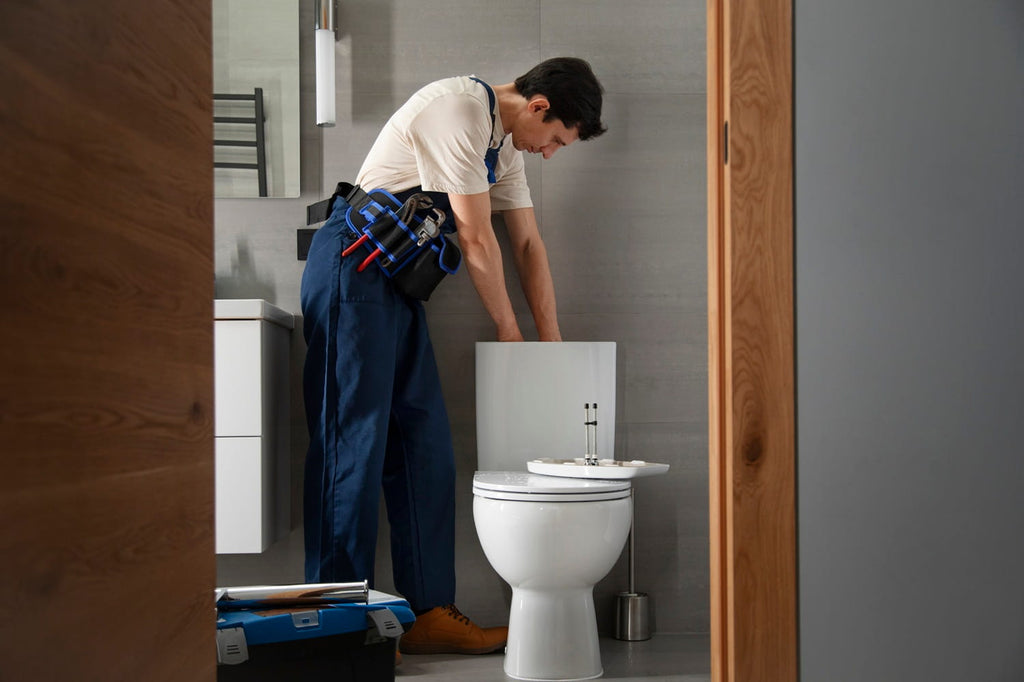
When to Call a Professional
While many minor issues can be fixed yourself, some problems require a licensed plumber:
- Persistent leaks despite replacing seals
- Broken cistern or pan components
- Complex alignment problems
Professional servicing ensures your toilet remains functional and compliant with Australian plumbing standards.
The Role of AI in Modern Toilet Maintenance
AI-powered plumbing diagnostics are becoming increasingly common. Some smart toilets and maintenance apps can:
- Detect leaks early using sensors
- Alert homeowners to low water levels or inefficient flushes
- Predict wear and schedule maintenance before issues occur
While adjustable link toilets aren’t fully AI-integrated yet, understanding the technology allows homeowners and plumbers to improve efficiency and reduce water waste.
Final Thoughts
Adjustable link toilets provide flexibility and convenience, but like all plumbing fixtures, they require regular inspection and maintenance. By understanding common issues such as weak flushes, running water, loose handles, or worn linkages, you can address problems quickly. Combining traditional maintenance with modern AI insights ensures your toilet stays efficient, reliable, and environmentally friendly.
Related post
29
Jul
28
Jul
27
Jul

22
Jul