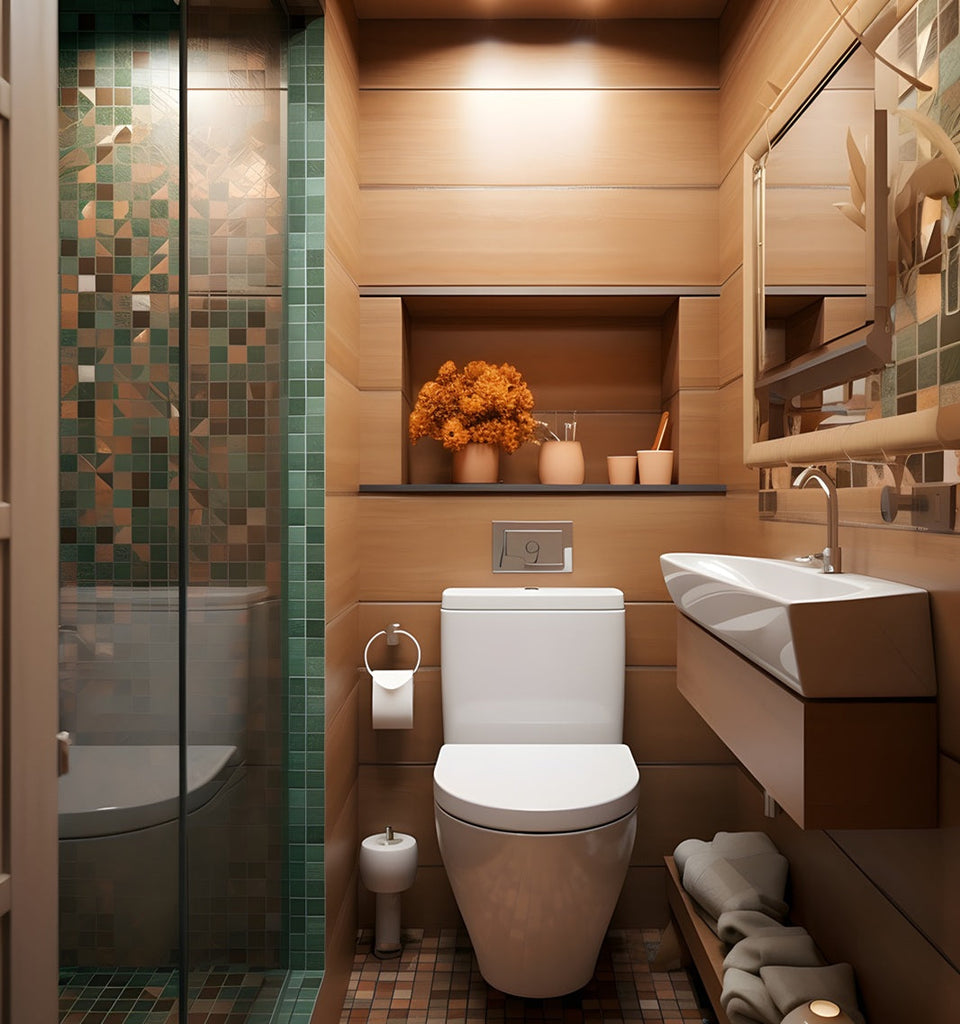
How to Install a Skew Pan Toilet Suite: A Step-by-Step DIY Guide
If you're looking to upgrade your bathroom with a new toilet, the skew pan toilet suite is a great option. Not only is it modern and stylish, but it also offers flexibility in positioning, which is especially handy when you need to work with a less-than-ideal plumbing layout. Installing a skew pan toilet suite can be a rewarding DIY project, and in this guide, we’ll take you through the entire process step-by-step. By the end, you'll have the skills and knowledge needed to install your new toilet with confidence.
What is a Skew Pan Toilet Suite?
Before jumping into the installation, let’s clarify what a skew pan toilet suite is. Unlike traditional straight pan toilets, a skew pan features a 45-degree angle that allows the waste pipe to exit at a different angle, which is ideal for tighter spaces or unconventional plumbing layouts. This makes it perfect for renovations or retrofitting, where standard toilets don’t fit easily.
Key Benefits of a Skew Pan Toilet:
-
Space-saving design: Ideal for smaller bathrooms or awkward layouts.
-
Easy plumbing modification: A skew pan allows you to move the waste pipe more freely, accommodating tricky plumbing setups.
-
Contemporary aesthetic: Adds a sleek and modern look to your bathroom, elevating its overall style.
Tools and Materials You’ll Need for Installation
Before you get started, make sure you have all the necessary tools and materials. Having everything on hand will ensure a smooth and efficient process.
Tools Required:
-
Adjustable spanner
-
Spirit level
-
Hacksaw (for trimming the waste pipe if necessary)
-
Silicone sealant
-
Drill with masonry bit (if fixing to the floor)
-
Tape measure
Materials Required:
-
Skew pan toilet suite (with cistern, pan, and seat)
-
Waste pipe and fittings (ensure these are compatible with the skew pan design)
-
Plumbing connectors
-
Toilet screws and anchors
-
Wax ring or toilet seal
-
Flexible water hose
Step 1: Turn Off Water Supply and Remove the Old Toilet (If Applicable)
Before you start installing your new skew pan, you’ll need to disconnect the water supply and remove any old toilet.
Steps:
-
Shut off the water: Locate the water valve near your toilet and turn it off. Flush the toilet to drain the tank and bowl. You might need to use a sponge to soak up any remaining water in the toilet bowl.
-
Disconnect the water hose: Use an adjustable spanner to disconnect the flexible hose that connects the toilet tank to the water supply.
-
Remove the old toilet: If you’re replacing an existing toilet, unscrew the toilet from the floor using a spanner. Carefully lift the toilet off the waste pipe, ensuring you don’t damage the plumbing.
Step 2: Prepare the Installation Area
Before installing the new skew pan toilet suite, you’ll need to prepare the installation area. Make sure the floor is clean, level, and free from any debris or old sealant.
Steps:
-
Check the plumbing: Ensure the existing waste pipe is aligned correctly for the skew pan toilet. You may need to adjust the angle of the waste pipe if it’s not a perfect fit for the skew pan design. It’s a good idea to familiarize yourself with the relevant plumbing standards under the Australian Building Codes Board (ABCB). These standards ensure your installation complies with national regulations and helps avoid costly mistakes. For more information, visit the ABCB’s Plumbing Standards .
-
Mark the hole placements: Use a pencil to mark the placement of the toilet’s mounting holes on the floor. Measure carefully to ensure the toilet will sit securely in the right spot.
Step 3: Install the Toilet Waste Pipe and Seal
The waste pipe installation is crucial to the efficiency and durability of your skew pan toilet. Ensure the waste pipe is securely connected to both the toilet and the plumbing system.
Steps:
-
Position the toilet pan: Gently place the skew pan toilet in the desired position, ensuring the waste pipe aligns correctly.
-
Attach the waste pipe: Connect the waste pipe to the toilet. If necessary, use an adjustable spanner to tighten the connections. Ensure the pipe is properly sealed to avoid leaks.
-
Install the toilet seal: Place a wax ring or toilet seal around the waste pipe connection to create a tight, leak-proof seal.
Step 4: Mount the Toilet to the Floor
Now that the waste pipe is installed, it’s time to secure the skew pan toilet to the floor.
Steps:
-
Position the toilet: Carefully lift and position the toilet over the waste pipe, making sure the holes in the base align with the marked spots on the floor.
-
Screw the toilet into place: Use the provided toilet screws and anchors to secure the toilet to the floor. If you’re installing the toilet on a tiled floor, you may need to drill pilot holes before screwing the toilet down.
-
Level the toilet: Use a spirit level to ensure the toilet is level. If needed, adjust the screws or add shims to correct any unevenness.
Step 5: Install the Cistern
With the toilet pan securely installed, it’s time to install the cistern.
Steps:
-
Connect the cistern to the toilet: Attach the cistern to the toilet pan using the provided fittings. Tighten the screws with an adjustable spanner.
-
Connect the water supply: Attach the flexible water hose to the cistern’s inlet valve and connect the other end to the water supply. Tighten the connection to avoid leaks.
-
Secure the cistern: If required, use screws or bolts to fasten the cistern to the wall or toilet pan, ensuring it’s stable.
Step 6: Test the Toilet for Leaks and Proper Functioning
Before you finish up, you’ll want to make sure everything is functioning properly and there are no leaks.
Steps:
-
Turn on the water supply: Open the water valve and allow the cistern to fill with water.
-
Flush the toilet: Check that the toilet flushes correctly and that there are no leaks around the base or at the water connections.
-
Inspect the waste pipe: Check that the waste pipe is secure and that there’s no water escaping from the joint.
Many modern skew pan toilets are designed to be water-efficient, saving you money on your water bill and helping the environment. For tips on choosing water-efficient products, visit the Clean Energy Council’s Water Efficiency page .
Step 7: Seal the Base and Final Touches
Once everything is connected and working, you can finish the installation with some final touches.
Steps:
-
Seal the base: Apply a bead of silicone sealant around the base of the toilet to prevent water from seeping underneath and to give the installation a clean finish.
-
Clean up the area: Remove any dust or debris, and give the toilet a final clean.
Conclusion:
And there you have it, a complete, step-by-step guide to installing a skew pan toilet suite! By following these instructions, you can transform your bathroom with a modern, space-saving toilet that fits seamlessly into your layout. Whether you’re a seasoned DIYer or a first-timer, this project is manageable with the right tools and a bit of patience.
If you’re looking for high-quality bathroom products, including skew pan toilet suites, Kalessi Bathroom and Tiles offers a great selection to suit any style and need. Happy renovating!
Related post

29
Jul
28
Jul
27
Jul
22
Jul