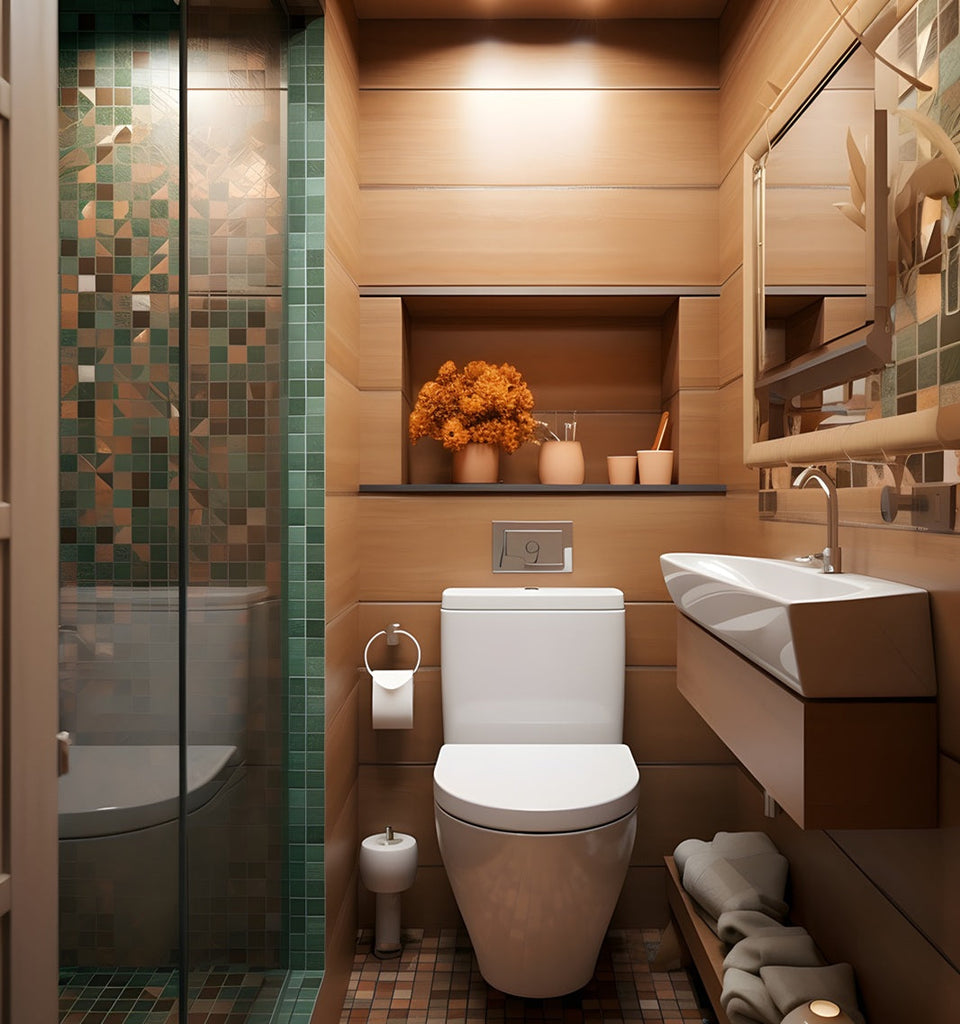
How to Maintain and Care for Your Traditional Toilet
A traditional toilet is more than just a functional necessity – it’s a cornerstone of your bathroom. But like any fixture, it requires regular care to ensure it performs efficiently and remains durable for years to come. In this guide, we'll walk you through how to maintain and care for your traditional toilet, using simple, practical steps that keep it in tip-top condition.
Why Regular Toilet Maintenance Matters
Maintaining your traditional toilet is essential to avoid unpleasant surprises like blockages, leaks, or costly repairs. Regular maintenance not only ensures that your toilet works efficiently but can also extend its lifespan. With proper care, your toilet can last decades without issues. Explore wide range of Traditional Toilets:
Key Areas to Focus On
There are several parts of your toilet that require attention, from the tank to the bowl and the surrounding plumbing. Let’s dive into each of these areas and discuss how to care for them effectively.
1. Cleaning the Toilet Bowl
The toilet bowl is often the first part that comes to mind when thinking about maintenance. Regular cleaning not only helps maintain hygiene but also prevents the buildup of limescale, stains, and bacteria.
How to Clean:
- Use a non-abrasive toilet cleaner that’s safe for ceramic surfaces. Harsh chemicals or abrasive scrubbing pads can scratch the porcelain, making it more vulnerable to stains and dirt.
- For hard-to-reach areas under the rim, use a toilet brush with angled bristles.
- Don’t forget to clean the flush handle – this is one of the most germ-ridden areas of the toilet.
2. Preventing and Removing Limescale
In areas with hard water, limescale buildup can be a major issue. Over time, this mineral deposit can clog the jets in your toilet, impairing the flush and causing unpleasant odors.
How to Remove Limescale:
- Pour white vinegar into the toilet bowl and let it sit for 30 minutes to an hour. The acidity in vinegar helps dissolve the limescale.
- Use a toilet brush to scrub away any remaining deposits.
- If limescale persists, consider using a store-bought limescale remover designed specifically for toilets. Be sure to follow the manufacturer’s instructions.
3. Keeping the Toilet Tank Clean and Maintained
The toilet tank houses critical components like the flush valve, fill valve, and flush handle. These need to be kept clean to avoid malfunction and reduce the risk of leaks.
How to Maintain the Toilet Tank:
- Every few months, remove the lid and inspect the tank for any signs of rust, debris, or build-up. A quick rinse with water can help clear any gunk.
- Check the rubber seal at the base of the tank for wear and tear. If it’s damaged, replace it to avoid leaks.
- Periodically inspect the flush valve and fill valve for any signs of corrosion or damage. If the toilet is constantly running, the fill valve may need an adjustment or replacement.
4. Checking for Leaks and Fixing Them Early
Leaking toilets are a common issue that can lead to higher water bills and more severe plumbing problems if left unchecked. Fortunately, detecting and fixing leaks early is fairly simple.
How to Detect Leaks:
- Check for water around the base of the toilet. A small pool of water can indicate a loose seal or a cracked base.
- For internal leaks, add a few drops of food colouring to the tank water. Wait about 30 minutes. If the water in the bowl changes colour without flushing, it means your flapper valve is not sealing properly and may need replacing.
How to Fix Leaks:
- Tighten the bolts that connect the toilet to the floor if they are loose.
- Replace the wax ring or rubber seal if the toilet is leaking at the base.
- If the flapper valve is the problem, replace it with a new one – it’s a simple fix that can save you a lot of water.
5. Dealing with Toilet Clogs
Clogs are a common issue with traditional toilets, but many can be avoided with proper usage and maintenance. For the occasional clog, a plunger is often enough, but there are steps you can take to prevent them.
How to Avoid Clogs:
- Avoid flushing anything that isn’t human waste or toilet paper. Items like wet wipes, sanitary products, or paper towels can cause blockages.
- Use less toilet paper. Flushing too much at once is a common cause of clogs.
- If your toilet frequently gets clogged, consider upgrading the flushing mechanism to one that offers a stronger, more efficient flush.
6. Caring for the Toilet Seat and Surrounding Area
While often overlooked, the toilet seat and surrounding area also require care to ensure a comfortable and hygienic bathroom experience.
How to Care for the Toilet Seat:
- Clean the seat with a mild soap and water solution, avoiding harsh chemicals that could damage the finish.
- Check the seat regularly to ensure the hinges are tight. If the seat starts to wobble, tighten the screws to prevent further damage.
- If the seat becomes discolored or cracked, replace it with a new one. This is an easy and affordable way to update the look of your toilet.
Additional Tips for Long-Term Toilet Care
- Check Water Levels: If your toilet has a low flush or poor water pressure, adjusting the water level in the tank may be necessary. The water level should be about an inch below the top of the overflow tube.
- Avoid Harsh Chemical Cleaners: While powerful chemicals may seem like an easy fix, they can damage the porcelain, seals, and rubber parts of your toilet, leading to costly repairs down the line.
- Upgrade When Necessary: If your toilet is old and frequently breaking down, it may be time to consider replacing it. Modern toilets are more water-efficient and often come with better flush mechanisms.
Conclusion
Caring for your traditional toilet doesn’t have to be a complicated task. With regular cleaning, timely repairs, and some attention to detail, you can keep your toilet in perfect working order for years. The key is to stay proactive and address issues before they become major problems.
By following the tips above, you can extend the lifespan of your toilet and avoid unnecessary plumbing headaches. If you’re unsure about any part of your toilet maintenance, don’t hesitate to call in a professional plumber. A little care goes a long way in ensuring that your traditional toilet remains as reliable as ever.
Related post
29
Jul
28
Jul
27
Jul
22
Jul