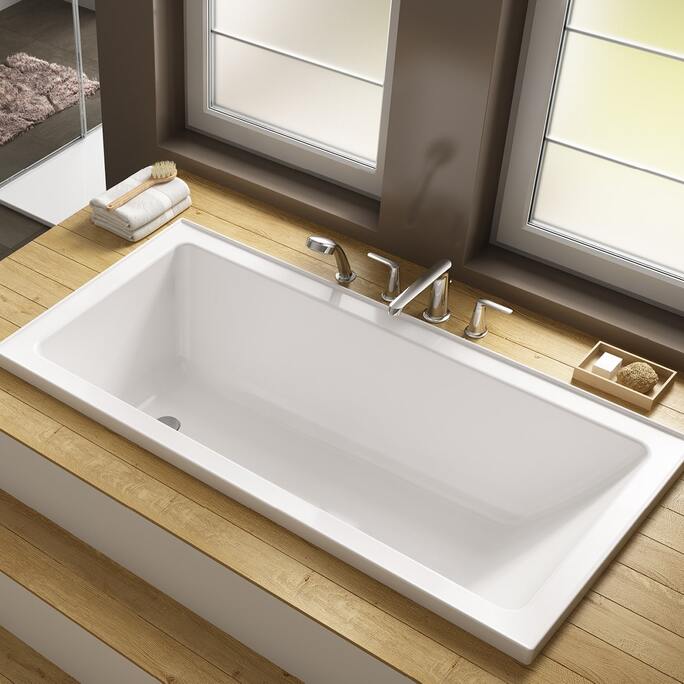
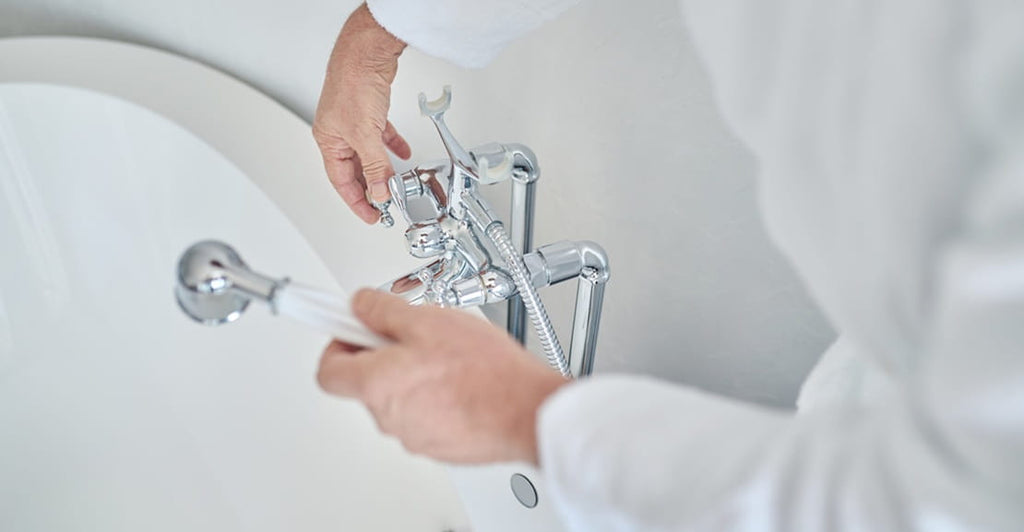
Choosing a Shower Rail, Head and Mixer That Work Together
You’ve fallen for a rain head. You’ve found a rail with a slim handheld. The mixer looks perfect in matte black. Then the plumber arrives and asks the question that stops a lot of renovations: “Does this mixer have a diverter?”
A shower is three parts working as one system: the mixer that controls temperature and flow, the head that delivers the water, and the rail that holds and positions it. A beautiful part that doesn’t connect to the others is just an expensive spare.
This guide explains how the three fit together, which combinations suit which layouts, and what to check before you buy. It’s written from the supplier’s side of the counter, where we see the wrong-part problem most often.
Why Do the Rail, Head and Mixer Have to Be Chosen Together?
Because each part makes a promise the others must keep.
- The mixer decides how many outlets you can run, and how you switch between them.
- The rail decides whether water arrives from above or below, and whether it has its own diverter.
- The head decides your flow rate, spray feel and how much clearance you need.
When one part is chosen alone, the mismatch usually shows up at installation, when it’s too late to return tiles or reposition pipework. Planning the full set first costs nothing and avoids most call-backs.
Which Shower Setup Do You Actually Want?
Pick the setup first. Everything else follows from it.
Handheld Shower on a Rail
A rail holds a handheld shower on a bracket that slides up and down. It suits families, children and pets, anyone who prefers directed rinsing, and anyone who wants to clean the screen and tiles quickly.
Fixed Overhead (Rain) Shower
A fixed head on a wall arm or ceiling dropper gives a broad, even spray. It looks clean and minimal, but offers no flexibility beyond a tilt.
Twin Shower (Overhead Plus Handheld)
A twin shower combines a fixed overhead head with a handheld on a rail, usually switched with a diverter. It’s the most popular choice for a main bathroom because it gives you both feels.
Which setup is best for a small shower?
A compact rail set or a twin system with a 200–250 mm overhead head is usually easier to fit than a large rain head. Always check the arm projection against your shower width.
Which Mixer Type Matches Your Shower Setup?
This is the question most guides skip. Use the table below.
|
Your setup |
What the system needs |
Mixer type to choose |
|---|---|---|
|
Handheld on rail only |
One outlet |
Standard shower mixer (single outlet) |
|
Overhead head only |
One outlet |
Standard shower mixer (single outlet) |
|
Overhead plus handheld, switchable |
Two outlets and a way to switch |
Diverter mixer, or a standard mixer plus a rail/twin set with a built-in diverter |
|
Bath and shower from one wall |
Spout plus shower outlet |
Bath/shower diverter mixer |
What Is a Diverter, and Do You Need One?
A diverter sends water to one outlet at a time. It can be built into the mixer, sit on the rail or twin shower, or be a separate wall plate. You need exactly one diverter in the system. Two will fight each other, and none leaves you with a single outlet.
How do you tell where the diverter is?
Read the product’s “what’s in the box” list. Rail sets that include a diverter, arm and handheld are designed to run from a standard single-outlet mixer. A rail or head with no diverter needs a diverter mixer. If it isn’t clear, ask us before ordering.
Mixer Examples From Our Range
Browse our full shower and bath mixer collection, where you can filter by diverter mixers and finish. For a single-outlet setup, the Rund Shower Mixer is a straightforward choice. For two outlets, a diverter model such as the Quadro Diverter Shower Mixer in chrome or the KUSHY Square Wall Mixer with Diverter does the switching at the wall.
How Do You Choose the Right Shower Rail?
What Types of Shower Rail Are There?
- Shower on rail: a slide rail with a handheld, often with a hose and a wall elbow.
- Rail set (3-function or multi-function): includes the handheld, hose and often an overhead head.
- Dual or twin rail: includes a fixed rain head on the same wall structure.
See our current shower rails and rail sets, including the Dolce II Rail Shower and the ILLIAN Rail Shower Set.
What Is the Difference Between Top Inlet and Bottom Inlet Rails?
Dual and twin rails come in top inlet or bottom inlet versions. This describes where the water enters the rail from the wall: at the top, from a pipe running up the wall, or at the bottom, from the mixer position. It must match your rough-in plumbing. Some of our dual rails, such as the KUSHY Dual Shower Rail with Rain Fall Head, list both inlet options, so tell your plumber which one you’ve chosen before the walls are sheeted.
What Else Should You Check on a Rail?
- Rail length: longer rails suit a wider height range, which matters in a household with different heights.
- Hose length: 1.5 m is standard. If you need a replacement, we stock a 1.5 m PVC shower hose.
- Thread size: most Australian arms, heads and hoses use a ½-inch BSP thread, but confirm it on the product listing.
- Weight and fixing: rails need solid fixing points. Plan blocking behind the wall lining during a renovation.
How Do You Choose the Right Shower Head?
Rain Head or Standard Head?
A rain head (typically 200–300 mm across) delivers a soft, wide spray. A smaller standard head concentrates the flow, which some people prefer when pressure is modest. Most rain heads need extra ceiling height and a longer arm, so measure first.
Wall Arm or Ceiling Dropper?
A wall arm is simpler and cheaper to rough in. A ceiling dropper centres the head in the shower for a more spa-like look, but needs the plumber to run pipework through the ceiling. If you’re considering one, see our ceiling dropper options.
Does the Head Have to Match the Rail Brand?
Not always, but matching the same range avoids thread, finish and style mismatches. Many ranges, like our DEAUX Twin Shower System, are designed so the mixer, arm, head and rail come from a single family.
What Is a WELS Rating, and Does Flow Rate Matter?
WELS is Australia’s Water Efficiency Labelling and Standards scheme. For showers it tells you the flow rate in litres per minute.
- 3 stars: more than 7.5 and up to 9 L/min
- 4 stars: more than 6 and up to 7.5 L/min
The Plumbing Code of Australia sets a minimum of 9 L/min (3 stars) for showerheads in new developments, according to the NSW Planning Portal’s showerhead guide. You can learn more about the scheme at WaterRating.gov.au.
Do Lower Flow Rates Feel Weak?
Not necessarily. Good engineering aerates or shapes the spray so it still feels full. A well-made 3-star head often feels better than a poorly designed higher-flow one. For more ways to cut water and energy use, read our guide to energy-efficient bathroom fixtures in Melbourne.
Will Your Water Pressure and Hot Water System Suit Your Choice?
Pressure is the hidden variable. Older Melbourne homes often have lower pressure or gravity-fed hot water, while newer homes and apartments typically have mains pressure.
- Check the product’s minimum operating pressure. Some large rain heads and thermostatic mixers need more than a low-pressure system provides.
- Ask a plumber to measure your pressure if you have any doubt.
- Choose accordingly. Low pressure suits smaller heads and mixers rated for it. Healthy pressure opens up large rain heads and multi-function systems.
Our team can help you pick pressure-appropriate products from the Shower range. Contact us via our contact page if you’re unsure.
Should You Choose a Thermostatic Mixer?
A thermostatic mixing valve holds a set temperature even if someone flushes a toilet or runs a tap. It’s a safety and comfort upgrade, especially for children and older family members. The Wikipedia entry on thermostatic mixing valves explains how they work.
How Do You Match Finishes Without a Clash?
Finish matching is the most visible detail, and the easiest to get wrong.
- Keep the mixer, rail, head and arm in the same finish. Matte black beside brushed nickel looks accidental.
- Match across the bathroom. Align your basin tapware, towel rails and accessories. Our tapware collection covers common finishes: chrome, matte black, brushed nickel, brushed bronze and gunmetal.
- Buy from one range where you can. “Brushed nickel” differs slightly between manufacturers.
- Order small samples or visit the showroom. Finishes look different under bathroom lighting than on a screen.
For design inspiration, see our 2026 bathroom trends for Melbourne and our guide to modern bathroom fixture options.
Which Mixer, Rail and Head Combinations Pair Well Together?
These examples come from ranges that are designed to work as a family. Check current pricing and availability on each product page.
|
Setup |
Mixer |
Rail / shower |
Why it works |
|---|---|---|---|
|
Twin shower in four finishes |
Same range and finish family |
||
|
Square dual rail with rain head |
Matching style, inlet options |
||
|
Simple rail upgrade |
Straightforward single outlet |
Confirm diverter requirements with us before ordering any specific pair.
If you’re renovating the whole bathroom, our Bathroom Packages bundle compatible items together.
What Should You Check Before You Buy?
Run through this checklist before you order.
- Setup: handheld only, overhead only, or twin?
- Outlets: how many does the mixer have?
- Diverter: where is it, and is there exactly one?
- Inlet position: top or bottom, matching your rough-in?
- Mixer type: wall-mounted, or concealed/built-in (which needs rough-in before tiling)?
- Thread and connections: ½-inch BSP, hose length, arm length?
- WELS rating: shown on the product listing?
- Pressure: within the product’s operating range?
-
Finish: the same across all parts and the rest of the bathroom?
- Warranty: see our warranty information and keep your receipts.
Who Should Install Your Shower?
Swapping or relocating a mixer is plumbing work, so use a licensed plumber. In Victoria, licensed plumbers must provide a compliance certificate for plumbing work above the prescribed value, and the regulator explains the rules on its home renovation permits page. If you’d like help finding a tradesperson, see our Full Service Installation page. Builders and plumbers can ask about trade accounts.
If a concealed mixer is part of a renovation, coordinate the choice early. For the full picture of renovation sequencing, see our bathroom showroom guide. Once installed, keep everything looking good with our bathroom fixture maintenance guide.
Frequently Asked Questions
What type of mixer do I need for a shower rail?
If the rail set includes its own diverter, a standard single-outlet shower mixer is usually enough. If the rail has no diverter and you want two outlets, choose a diverter mixer.
Can I use any shower head with any mixer?
Most heads use standard ½-inch BSP threads, so many will physically fit. But fit isn’t compatibility: pressure, flow rate, outlet count and diverter position all need to suit each other.
Do I need a diverter for a twin shower?
You need one diverter in the system. It may be built into the twin shower, built into the mixer, or fitted as a wall plate, but not more than one.
What’s the difference between a shower mixer and a diverter mixer?
A shower mixer has one outlet. A diverter mixer has two (for example, overhead and handheld) and lets you switch between them.
What’s the standard shower hose length?
1.5 metres is the most common length on handhelds and rail sets.
What does a 3-star WELS shower head mean?
It flows at up to 9 litres per minute, and more than 7.5. A 4-star head flows at up to 7.5 litres per minute.
Will a rain shower work with low water pressure?
It can, but check the head’s minimum operating pressure. Large rain heads often feel best with healthy mains pressure, so have a plumber measure yours if you’re unsure.
Can I mix finishes, like chrome mixer and black head?
You can, but keep it deliberate. For a cohesive look, match the mixer, rail, head and arm.
Can I replace just the mixer or just the head?
Often yes, if the new part matches the outlets, inlet position and pressure range. Ask us to check compatibility first.
Do I need a licensed plumber to install a shower mixer?
Yes. Mixer installation or replacement is plumbing work and should be done by a licensed plumber.
Final Thoughts: Choose the System, Not Just the Parts
A great shower isn’t about one standout product. It’s about choosing a mixer, rail and head that agree with each other on outlets, diverter, inlet position, pressure and finish. Decide your setup first, choose the mixer to match, and check the details above before you order. Do that, and your plumber will have a straightforward day, and you’ll have a shower that looks and feels right from the first use.
Ready to Build Your Shower Set? Talk to Kalessi.
Browse our shower range and shower and bath mixers, or explore the wider Bathroom collection. Send us your setup and we’ll check compatibility before you buy. Come and see the displays at our Springvale showroom, 904 Princes Highway, Springvale VIC 3171 (directions on Google Maps).
- 📞 Call: 0434 839 719 or (03) 9574 1988
- ✉️ Email: info@kalessi.com.au
- 🚚 Delivery areas: Areas We Serve
- 👥 Follow us: Kalessi on Facebook
Not sure whether your mixer needs a diverter? Contact our team before you order. It takes a few minutes and saves a return.
Related post

17
Nov
17
Nov
17
Nov
17
Nov