Custom-Made Bathroom Fixtures in Australia: A Complete 2026 Guide to Tailored Design
Introduction: Why "Off-the-Shelf" Isn't Good Enough Anymore
Most Australian bathrooms are built around a myth: that a standard 900mm vanity or a mass-produced mirror will somehow fit your space, your storage needs, and your taste all at once. It rarely does. Walk into any new-build display home and you'll see the same three vanity shapes repeated on a loop.
Custom-made bathroom fixtures flip that logic. Instead of squeezing your bathroom around a product that was designed for nobody in particular, the fixture is built around the room you actually have — down to the millimetre.
This guide breaks down what custom bathroom fixtures actually are, when they're worth the investment, what they cost in 2026, and how to avoid the mistakes that trip up first-time renovators. It's written from the floor of a working Sydney showroom, based on projects we've measured, quoted, and installed — not generic renovation advice recycled from overseas blogs.
What Are Custom-Made Bathroom Fixtures, Exactly?
A custom-made bathroom fixture is any vanity, cabinet, mirror, shelving unit, or benchtop manufactured to specific measurements and design requirements for a single bathroom, rather than pulled from a standard product range.
This differs from two other options you'll see in showrooms:
- Stock/off-the-shelf fixtures — fixed sizes (typically 600mm, 750mm, 900mm, 1200mm), fixed finishes, made in bulk.
- Semi-custom fixtures — a stock base design with limited changes allowed (colour, handle style, a size within a set range).
- Fully custom fixtures — built from scratch to your dimensions, materials, and configuration, with no size or layout constraints beyond structural practicality.
If your bathroom has an awkward alcove, a sloped ceiling, plumbing in an unusual spot, or you simply want storage that matches how you actually live, custom is the only option that solves the problem rather than working around it.
When Custom Fixtures Make Sense (and When They Don't)
Custom isn't automatically the right call for every bathroom. Here's a practical way to decide:
Custom is worth it when:
- Your bathroom width, depth, or wall angle falls outside standard sizing (e.g., 680mm or 1450mm gaps)
- You have plumbing, a window, or a door swing that a stock vanity would clash with
- You want a specific storage layout (e.g., deep drawers for hairdryers, a slimline unit for a powder room)
- You're matching a whole-home design language (matte black hardware, a specific timber veneer, a stone benchtop that continues from the kitchen)
- You're renovating a heritage home where standard modern dimensions don't suit the original layout
Stock or semi-custom may suit you better when:
- Your bathroom is a standard size and shape
- You're working to a tight budget or fast turnaround (custom builds typically take longer — see timelines below)
- You're renovating for resale rather than long-term living, where a neutral standard fit may be more cost-effective
Being upfront about this trade-off is part of doing right by the client — and it's also what Google's helpful content guidelines reward: content that genuinely helps someone make a decision, not just content that pushes a sale.
The Real Benefits of Going Custom
1. Space Efficiency
Every centimetre is accounted for. In narrow ensuites or under-stair bathrooms, a custom vanity can reclaim storage and floor space that a stock unit would simply waste.
2. Design Freedom
You're not limited to what's in a catalogue. Finish, colour, handle style, drawer configuration, benchtop material, and even mirror shape can all be specified.
3. Functional Upgrades Built In
Soft-close drawers, integrated LED mirror lighting, hidden power outlets, pull-out laundry hampers, or dedicated hairdryer drawers can be designed in from the start rather than retrofitted.
4. Long-Term Value
A well-built custom vanity in quality marine-grade plywood or moisture-resistant MDF with a durable 2-pack polyurethane or laminate finish will outlast a mass-produced equivalent, particularly in Australia's humid coastal climates.
5. A Genuinely Unique Result
This matters more for resale and rental-return properties than people expect: a bathroom that looks considered rather than "project-home standard" photographs better and stands out in a crowded property market.
2026 Design Trends Shaping Custom Bathroom Fixtures
Based on current showroom enquiries and what's trending in Australian renovation searches this year:
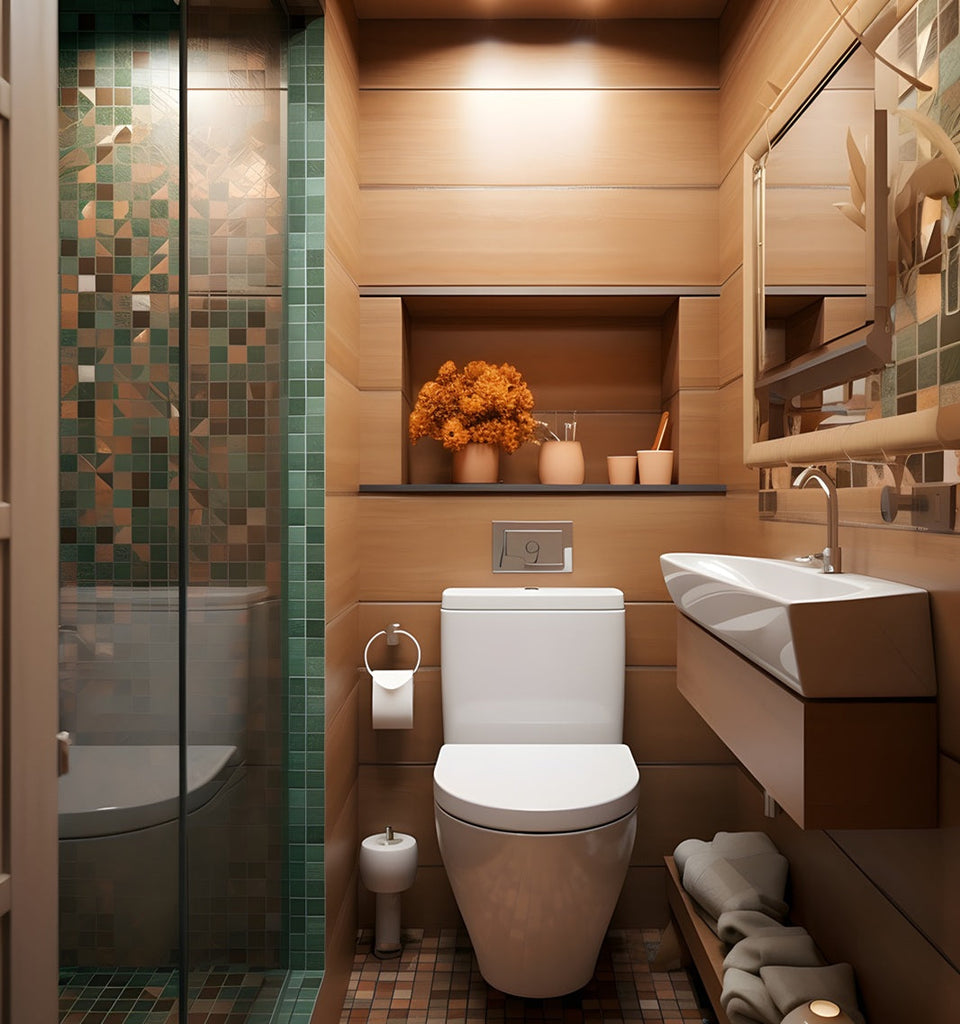
- Warm, tactile timber tones replacing the stark all-white or all-grey palettes of the last decade
- Curved and softened vanity edges, moving away from sharp rectilinear cabinetry
- Integrated stone benchtops (engineered quartz and porcelain) that run seamlessly into splashbacks
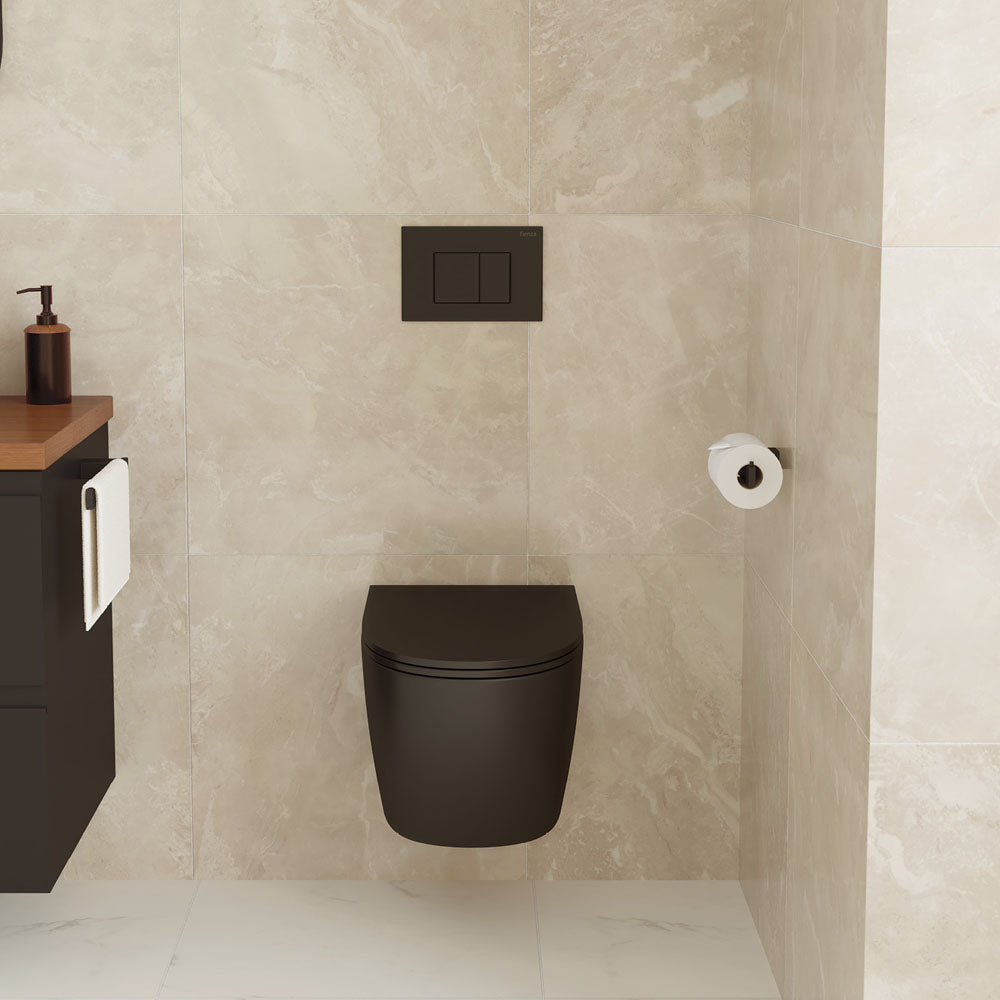
- Low-profile, wall-hung ("floating") vanities that create a visual sense of extra floor space — especially popular in small ensuites
- Matte and satin finishes over high-gloss, both for hardware and cabinetry
- Sustainability-conscious material choices, including FSC-certified timber veneers and low-VOC finishes, as more Australian buyers ask about environmental impact during consultations. Resources like Sustainability Victoria's guidance on water and material efficiency at home are a useful starting point if you want to understand how these choices affect your home's overall footprint
How the Custom Process Works at Kalessi
- Initial consultation — In-showroom or on-site, we discuss your layout, budget, and how you use the space day to day.
- Measure and design — Our team takes precise site measurements and drafts a design, accounting for plumbing, doorways, and structural constraints.
- Material and finish selection — You choose from Australian-made timber veneers, laminates, stone benchtops, and hardware.
- Manufacturing — Fixtures are built to spec, typically within 3–6 weeks depending on complexity and current order volume.
- Installation — Coordinated with your builder or plumber, or arranged directly through our trade network.
Being transparent about timelines matters: custom manufacturing takes longer than buying off the shelf, and any supplier who doesn't mention that upfront isn't giving you the full picture.
Common Mistakes to Avoid When Ordering Custom Fixtures
- Not accounting for plumbing rough-in measurements before finalising vanity dimensions — always confirm pipe and drain positions first, and check that your waterproofing and fixture placement complies with the National Construction Code's wet area requirements.
- Choosing a finish without seeing it in your bathroom's actual lighting — colours and sheens can look different under warm vs. cool LED lighting.
- Underestimating lead time and ordering too close to a builder's scheduled installation date.
- Skipping a written, itemised quote, which makes it harder to compare value across suppliers.
- Not asking about warranty terms on cabinetry and hardware — reputable Australian manufacturers typically offer 5–10 year warranties on cabinetry construction.
Ready to Design a Bathroom That Actually Fits Your Space?
If your bathroom has an awkward layout, limited space, or you simply want something better than a catalogue product, custom-made fixtures solve problems that off-the-shelf simply can't.
Frequently Asked Questions
How long does it take to get custom bathroom fixtures made in Australia?
Most custom vanities, mirrors, and cabinetry take between 3 and 6 weeks to manufacture, depending on material availability and design complexity. Simple modifications to a semi-custom range may be quicker; fully bespoke stone benchtop and cabinetry suites usually sit at the longer end.
Are custom bathroom fixtures more expensive than stock options?
Yes, typically. Custom fixtures cost more upfront because they require individual measuring, design, and manufacturing rather than mass production. The trade-off is a better fit, longer lifespan, and design flexibility that stock products can't offer.
Can custom vanities be made to fit very small or narrow bathrooms?
Yes — this is one of the most common reasons customers choose custom. Vanities can be built to fit gaps as narrow as 45–60cm, which is common in older Australian homes with compact ensuites or powder rooms.
What materials are used for custom bathroom cabinetry?
Common options include moisture-resistant MDF or marine-grade plywood carcasses finished in 2-pack polyurethane, laminate, or timber veneer, paired with engineered stone or porcelain benchtops. Material choice affects both cost and durability, particularly in humid bathrooms.
Do I need a builder or plumber before ordering custom fixtures?
It helps to have your plumbing points confirmed (or at least mapped) before finalising vanity size and tap positions, since moving plumbing after installation adds cost. Many customers order fixtures alongside their renovation planning, before builders start on-site work.
Is custom bathroom cabinetry covered by warranty?
Reputable Australian manufacturers generally offer warranties in the 5–10 year range for cabinetry construction, though terms vary by supplier and material. Always confirm warranty coverage in writing before ordering.
Related post
29
Jul
28
Jul
27
Jul
22
Jul