Bathroom Products in Springvale: A Local Buyer's Guide for 2026 Renovations
A bathroom renovation is one of the few home upgrades that pays you back twice — once every morning when you use it, and again at resale. But in a suburb like Springvale, where housing stock ranges from 1970s brick veneers to newer townhouse developments, the "right" bathroom products depend heavily on your home's age, water pressure, ventilation, and even Victoria's climate swings between humid summers and cold, damp winters.
This guide breaks down exactly what to look for when choosing vanities, tiles, tapware, toilets, and shower screens in 2026 — including the water-efficiency standards now expected of new fittings, the finishes trending in Melbourne bathrooms this year, and the mistakes that lead to costly rework. If you're planning a full renovation or just replacing a single fixture, use this as your practical checklist before you buy.
Understanding Your Bathroom Renovation Priorities Before You Shop
Before browsing vanities or tiles, it helps to define what's actually driving the renovation. Most Springvale homeowners fall into one of three categories:
- Functional replacement — a toilet, tap, or shower screen has failed and needs swapping out with minimal disruption.
- Partial refresh — updating tiles, tapware, and a vanity while keeping the existing layout and plumbing.
- Full renovation — reconfiguring the layout, which affects waterproofing, drainage falls, and compliance with the National Construction Code.
Knowing which category you're in changes your shopping list. A full renovation, for instance, requires coordinating your product choices with a licensed plumber and waterproofer before purchase, since tile size and vanity footprint affect drainage points and must comply with the National Construction Code waterproofing and drainage requirements.
1. Vanities and Cabinetry: Matching Storage to Your Household
The vanity carries more day-to-day functional weight than any other bathroom fixture, yet it's often chosen on looks alone. Consider:
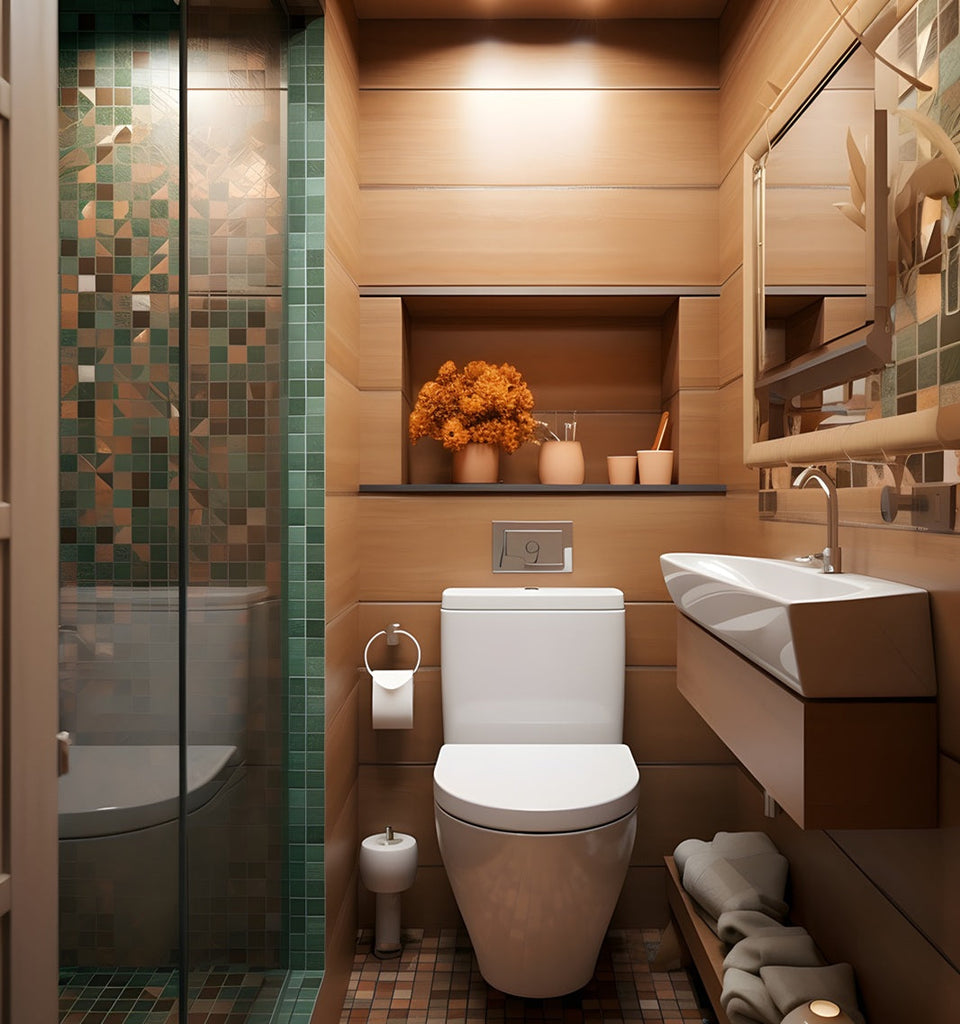
- Wall-hung vanities suit smaller bathrooms and make cleaning the floor easier — a practical win in humid climates prone to mould at floor junctions.
- Freestanding and floor-mounted units offer more storage, better suited to family bathrooms with multiple users.
- Moisture-resistant substrates (marine-grade plywood or PVC-based cabinetry) matter more than the finish coat in Melbourne's damp winters, where lower-grade MDF cabinetry swells and delaminates within a few years.
Practical example: A two-bathroom household with teenagers typically outgrows a single-basin 750mm vanity within a few years. Measuring for a double-basin unit upfront, even if it costs more now, is usually cheaper than a second renovation.
2. Tiles: Choosing for Slip Resistance, Not Just Looks
Tile choice is where most DIY renovators get it wrong, because online inspiration photos rarely mention slip rating. In Australia, floor tiles for wet areas should meet a minimum R10 slip resistance rating under AS 4586, the Standards Australia classification for slip resistance of pedestrian surfaces, particularly for shower floors and areas prone to splashing.
Key considerations for 2026:
- Large-format tiles (600mm x 1200mm and above) remain popular for a seamless look with fewer grout lines to clean, but require a very flat substrate — budget for floor levelling if your home has an older slab.
- Textured, matte-finish porcelain is overtaking high-gloss tiles in wet areas specifically for slip safety, while gloss tiles are being reserved for splashbacks and feature walls.
- Natural stone (travertine, marble-look porcelain) needs sealing and ongoing maintenance — worth knowing before committing, especially for busy households.
3. Tapware and Fixtures: What "Water-Efficient" Actually Means
Every tap, showerhead, and mixer sold in Australia carries a Water Efficiency Labelling and Standards (WELS) star rating, from 0 to 6 stars, based on litres used per minute. Under current regulations, this rating must be displayed at point of sale.
What to check before buying:
- Showerheads rated 3 stars or higher typically use 9 litres per minute or less, cutting both water and hot-water energy costs.
- Tap flow restrictors are now standard on most WELS-rated basin mixers, but older display-only stock may not comply — always confirm the WELS label is current.
- Matte black and brushed brass finishes continue to lead 2026 tapware trends, but ask about the finish's PVD (physical vapour deposition) coating quality, since cheaper coatings show wear at contact points like tap handles within a year.
For the full WELS ratings register, homeowners can check products directly via the Australian Government's WELS website.
4. Toilets: Efficiency, Comfort, and Long-Term Reliability
Dual-flush toilets are now the default in Australia, but flush volume and bowl design vary significantly between models:
- Look for a 4-star WELS rating or higher, typically using around 4.5 litres on full flush and 3 litres on half flush.
- Comfort height (also called "chair height") bowls are increasingly requested by older homeowners and those renovating for long-term accessibility.
- Check trap way and rough-in measurements against your existing plumbing before ordering — this is the single most common cause of return requests.
5. Shower Screens and Enclosures: Frameless vs Semi-Frameless vs Framed
Shower screen choice affects both the visual openness of a small bathroom and long-term maintenance:
| Type | Best For | Maintenance |
| Frameless | Modern, open-plan bathrooms; maximises perceived space | Requires regular squeegeeing to prevent water spotting on glass |
| Semi-frameless | Balance of cost and aesthetics | Moderate; fewer seals to clean than framed |
| Framed | Budget renovations, rental properties | Most affordable, but frame seals can harbour mould over time |
For Springvale's older homes with non-standard shower recesses, semi-frameless custom-cut screens are often the most practical option, since fully frameless glass typically requires precise, square wall alignment.
Springvale-Specific Renovation Considerations
Local factors that affect product choice more than most buyers expect:
- Older brick veneer homes (common across Springvale and neighbouring Noble Park) often have narrower bathroom footprints, making space-saving vanities and sliding shower screens more practical than hinged doors.
- Renovation approvals: structural changes or moving plumbing fixtures may require a building permit through Greater Dandenong City Council — confirm requirements before finalising layout changes. See the Greater Dandenong City Council building permits page for current guidance.
- Trade coordination: sequencing matters — tiles and waterproofing must be finalised before vanity and toilet installation to avoid costly rework.
How to Choose the Right Bathroom Products: A Quick Checklist
- Measure your space accurately, including door swing and plumbing rough-in points.
- Set a realistic budget split across tiles, tapware, vanity, and labour — tiles and labour typically consume the largest share.
- Check WELS ratings for every tap, showerhead, and toilet.
- Confirm slip ratings (R10+) for wet-area floor tiles.
- Choose moisture-resistant cabinetry materials, not just an appealing finish.
- Confirm council permit requirements for any layout changes.
- Get expert, in-person advice before finalising your order — photos and swatches look different under bathroom lighting than in a showroom or online listing.
Conclusion: Get It Right the First Time
The bathroom products you choose determine how well your renovation performs over the next decade, not just how it photographs on day one. Prioritising WELS-rated tapware, correctly slip-rated tiles, and moisture-resistant cabinetry will save you money in running costs and avoid the mould, warping, and slip hazards that come from choosing on looks alone.
At Kalessi Bathroom and Tiles in Springvale, our team helps homeowners, builders, and designers match the right products to their specific home, budget, and timeline — not just what's trending. Visit our Springvale showroom to see and touch the full range in person, or get in touch for a personalised recommendation before you buy.
Frequently Asked Questions
What slip rating should bathroom floor tiles have?
Wet-area floor tiles, particularly in showers, should meet at least an R10 slip resistance rating under Australian Standard AS 4586. Higher-traffic or steeper shower floors may require R11 or above.
What does a WELS star rating mean for taps and showerheads?
WELS (Water Efficiency Labelling and Standards) rates plumbing products from 0 to 6 stars based on water use per minute. Higher star ratings mean lower water and energy use — a 3-star showerhead or higher is a sensible minimum for new installations.
Do I need a permit to renovate my bathroom in Springvale?
Cosmetic updates like retiling or replacing a vanity in the same footprint generally don't require a permit. However, moving plumbing fixtures, altering structural walls, or waterproofing changes may require approval through Greater Dandenong City Council. Always confirm before starting work.
Frameless or semi-frameless shower screens — which is better?
Frameless screens suit modern, squarely-built bathroom recesses and maximise the sense of space. Semi-frameless screens are more forgiving for older homes with slightly uneven walls and are typically more budget-friendly.
How long does a typical bathroom renovation take?
A full bathroom renovation, from demolition to final fit-out, generally takes 3–4 weeks depending on trade availability, product lead times, and whether structural or waterproofing work is required.
What's the most common mistake homeowners make when choosing bathroom products ? Choosing tiles and finishes purely on appearance without checking slip ratings, WELS ratings, or substrate compatibility — leading to costly returns, rework, or safety issues after installation.
Related post
29
Jul
28
Jul
27
Jul
22
Jul