How to Clean and Maintain Your Toilet Seat: Tips for Long-Lasting Hygiene
A clean toilet seat is not just about aesthetics—it’s essential for maintaining a hygienic and comfortable bathroom environment. Whether you're using your bathroom for a quick stop or for longer relaxation, ensuring your toilet seat remains clean is key to preventing germs and bacteria buildup. As the owner of Kalessi Bathroom and Tiles, I’ve gathered some simple yet effective tips to help you clean and maintain your toilet seat for years to come.
Let’s dive into the steps and products you can use to keep your toilet seat sparkling clean and hygienic! Explore wide range of Toilet Seats:
1. Why Toilet Seat Hygiene Is So Important
Your toilet seat is constantly exposed to bacteria, viruses, and bodily fluids. Proper hygiene helps to reduce the risk of infections and unpleasant odours. Regular cleaning also ensures that your toilet seat remains durable and maintains its appearance. A well-maintained toilet seat can last much longer, saving you money on replacements.
2. What You’ll Need for Cleaning Your Toilet Seat
Before you begin, gather the following items to ensure a thorough clean:
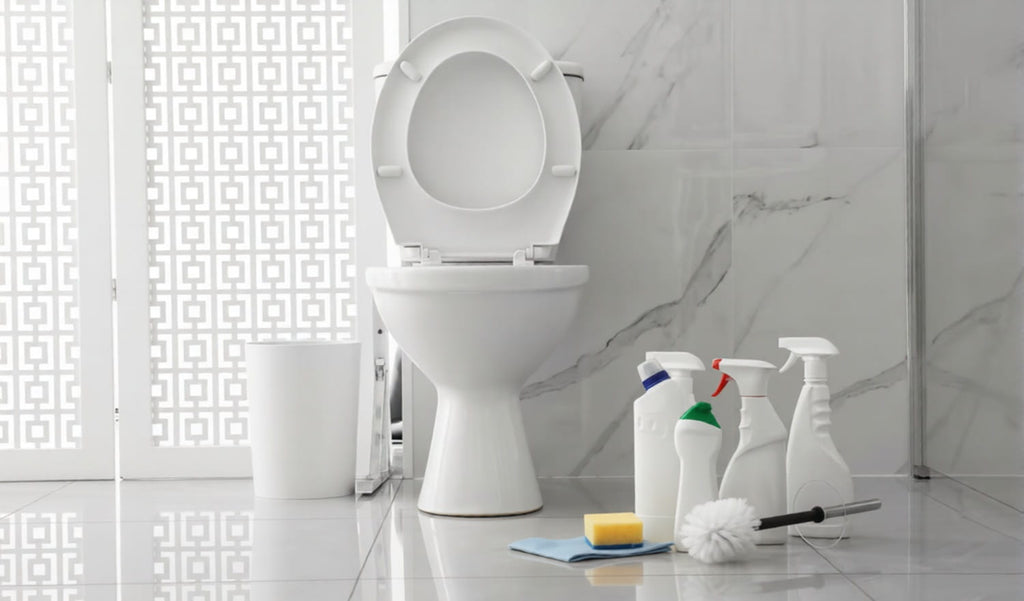
- Non-abrasive toilet cleaner: Choose a product that’s gentle yet effective on germs.
- Microfiber cloths: Ideal for wiping down surfaces without scratching or leaving lint behind.
- Disinfecting wipes or sprays: For sanitising the seat after cleaning.
- Rubber gloves: To protect your hands from bacteria and harsh chemicals.
- A soft brush or sponge: For scrubbing stubborn stains.
- Optional – Baking soda: A great natural cleaner for removing stains.
3. Step-by-Step Guide to Cleaning Your Toilet Seat
Step 1: Put on Gloves and Remove Any Debris
Start by putting on rubber gloves to protect your hands. Lift the toilet seat and check for any visible debris or dirt. Wipe down the seat to remove dust and grime with a dry microfiber cloth.
Step 2: Apply Cleaner to the Seat
Spray a generous amount of your chosen toilet cleaner onto the surface of the seat, focusing on areas that are more prone to stains. Let the cleaner sit for a few minutes to break down any bacteria or dirt.
Step 3: Scrub and Wipe
Using a soft sponge or brush, scrub the toilet seat gently in circular motions. Pay extra attention to the hinges and corners, where grime can accumulate. Once scrubbed, wipe the seat down with a clean microfiber cloth to remove all excess cleaning product.
Step 4: Disinfect the Seat
After the seat is clean, spray a disinfectant or use disinfecting wipes to sanitise it thoroughly. This step ensures that any remaining bacteria and viruses are killed, leaving your toilet seat safe and hygienic.
Step 5: Dry the Toilet Seat
Lastly, use a dry microfiber cloth to wipe down the seat and remove any moisture. Leaving moisture on the seat can encourage bacterial growth and potentially cause damage to the material over time.
4. How Often Should You Clean Your Toilet Seat?
For optimal hygiene, aim to clean your toilet seat at least once a week. However, during high-use periods or after guests have visited, you might want to clean it more frequently. If you have children or pets, cleaning the seat every few days could be a good idea.
5. How to Maintain Your Toilet Seat for Longevity
Cleaning alone is not enough to ensure your toilet seat lasts. Regular maintenance is key to keeping your seat in top condition.
1. Tighten the Hinges
Over time, the hinges that secure your toilet seat may loosen. Use a screwdriver to tighten the screws regularly. Loose hinges not only affect the function of the seat but can also cause strain on the material, leading to cracks or damage.
2. Avoid Harsh Chemicals
While it’s tempting to use strong chemicals for cleaning, these can damage the finish and structure of the toilet seat over time. Stick to non-abrasive, gentle cleaners for better long-term results.
3. Use Toilet Seat Covers
If you want extra protection for your toilet seat, consider using a toilet seat cover when not in use. This can help protect against dirt and stains from residual moisture or contact with clothes.
4. Replace the Seat When Necessary
If you notice cracks, stains that won’t come off, or the seat becoming increasingly uncomfortable, it may be time for a replacement. Investing in a new toilet seat can save you from further maintenance hassles and keep your bathroom looking fresh.
6. How to Deal with Stubborn Stains
If you’ve tried regular cleaning and stubborn stains remain, don’t worry! Here are some extra tips to help tackle those tricky marks:
- Baking soda and vinegar: Create a paste with baking soda and vinegar, apply it to the stained area, and let it sit for 10–15 minutes before scrubbing.
- Lemon juice: Its natural acidity makes it perfect for breaking down tough stains, while also leaving a fresh scent behind.
- Toilet seat-specific cleaner: Some cleaners are specially formulated to remove tough stains without damaging the material.
7. Common Mistakes to Avoid When Cleaning Your Toilet Seat
To ensure you’re properly maintaining your toilet seat, avoid these common mistakes:
- Using abrasive materials: Steel wool or harsh scrubbing brushes can scratch and damage the seat, making it more prone to dirt buildup.
- Overusing cleaning chemicals: Too much cleaning product can cause residue buildup and affect the seat’s finish.
- Not drying the seat thoroughly: Leaving moisture on the seat can lead to mould or bacterial growth, affecting both hygiene and the material’s integrity.
Conclusion: Clean Toilet, Happy Home
Maintaining a clean and hygienic toilet seat doesn’t need to be difficult. By following these simple steps, you can ensure that your toilet seat remains in top shape, offering you a comfortable and safe bathroom experience for years to come.
For the best selection of bathroom products, including high-quality toilet seats that last, Kalessi Bathroom and Tiles has everything you need. Browse our collection today to find the perfect fit for your bathroom.
Related post

29
Jul
28
Jul
27
Jul
22
Jul